
Russia backs India over Pakistan for ‘long-term diplomatic role’ in US-Iran conflict
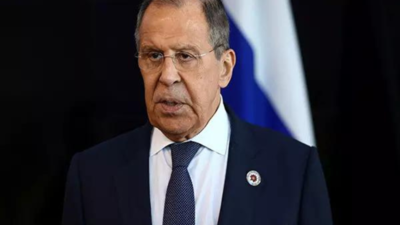
 At a media briefing after the BRICS foreign ministers’ meeting in New Delhi, Lavrov highlighted India’s diplomatic experience and growing global standing amid growing concerns about instability in West Asia and disruptions to global energy supplies.“Pakistan is helping to establish a dialogue between the US and Iran to resolve urgent issues. If they are looking for a long-term mediator between Iran and its Arab friends, India can play this role given its vast diplomatic experience,” he said. Lavrov’s comments come at a time when India is actively engaging with Gulf countries amid fears of a protracted regional conflict, rising crude oil prices and a blockade around the Strait of Hormuz, a global energy shipping route critical for Indian imports.The Russian foreign minister also highlighted India’s direct stake in ensuring stability in the region, especially as the current BRICS chair and one of the world’s largest energy consumers.Referring to India’s possible diplomatic role, Lavrov said, “India, the BRICS president, is directly interested in getting oil from the region. Why don’t they offer their services as a country currently chairing BRICS, so that they can invite Iran, the UAE to begin with, so that they can negotiate mutually to avoid any host between the two countries?” During the briefing, Lavrov stressed that the BRICS as an organization should not formally act as mediators, but said individual member states could play a constructive diplomatic role in de-escalating tensions.“The most important thing is to put an end to this. I don’t think BRICS should be a mediating organization, but individual BRICS members, especially those interested in making sure there are no problems with navigation in the Strait of Hormuz, can help,” he said through a translator.Without naming any countries, Lavrov also accused some countries of trying to deepen hostilities between Iran and Arab countries, while Russia claims efforts are aimed at reducing tensions and encouraging dialogue.“And they are trying; other countries are trying to incite this aggression, to stir up this hostility in this relationship. I believe that this hostility, this aggression against Iran, was motivated, among other things, to antagonize Iran and its Arab neighbors,” he said.Lavrov added, “We need to understand the root causes of every conflict, here it is the unprovoked aggression of the US and Israel.”The comments came as Prime Minister Narendra Modi visited the UAE during a five-nation tour focused on strengthening India’s strategic, energy and economic ties with the Gulf and European countries.Lavrov confirmed that Prime Minister Modi will visit Russia for the upcoming BRICS summit later this year, saying preparations for the high-level meeting are already underway.“We are preparing for the BRICS summit. Prime Minister Narendra Modi confirmed yesterday that it is his turn to visit the Russian Federation this year. We will prepare for this top-level summit,” Lavrov said.Highlighting the broader India-Russia partnership, the Russian foreign minister said cooperation between the two countries continues in multiple areas, including energy, trade and financial transactions.“Our consensus with India is moving away from the dollar to use national currencies and currencies of other countries that do not abuse their position in global financial institutions,” he said.Lavrov’s comments also brought renewed focus to India’s long history of diplomatic mediation and peacekeeping efforts, including its role in the Korean ceasefire, the Suez crisis, the Iran-Iraq war and various UN-led initiatives. India has increasingly presented itself as a neutral world player advocating dialogue and peaceful dispute resolution under its broader ‘Bishwabandhu’ foreign policy approach.