
RTI पर महाराष्ट्र सरकार का U-टर्न… अन्ना हजारे के विरोध के बाद सीएम फडणवीस ने नए नियम लिए वापस – maharashtra government halts controversial rti rules 2026 after anna hazare protest ntcpvp
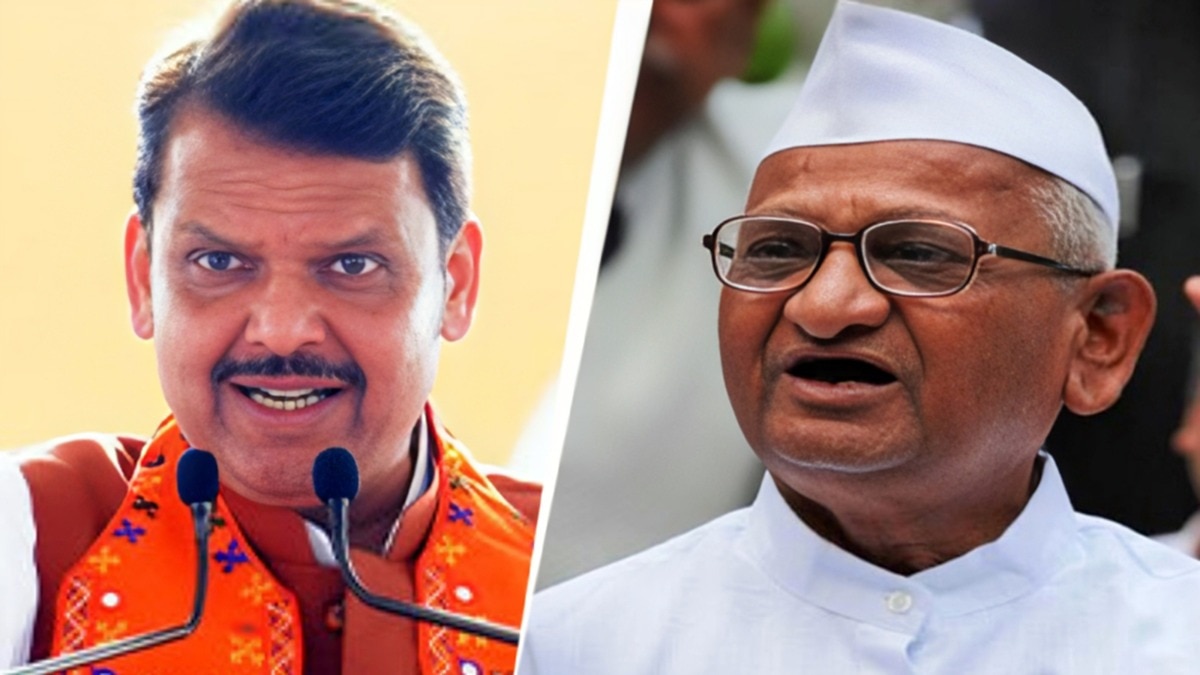
The Maharashtra government has currently banned the implementation of the controversial Right to Information (RTI) Rules, 2026. Following the instructions of Chief Minister Devendra Fadnavis, the Chief Information Commissioner of the state started the process of banning the new rules.
Has given.
These rules included many important provisions like increasing the RTI application fee, making identity card mandatory, keeping only one subject in an application. social activist Anna Hazare Strongly protesting against these rules, he had warned of indefinite hunger strike from July 5. After this, the government decided to ban these rules for the time being.
According to sources, Chief Minister Fadnavis on Thursday had given orders to the Chief Information Commissioner to stop these rules. Earlier, the General Administration Department of the state had published a notification in the Gazette on June 12 and implemented these rules with immediate effect.
What were the new rules, over which there was an uproar?
Under the new rules, an application fee of Rs 30 was fixed for applying under the Right to Information Act, 2005. The fee for providing information was fixed at Rs 5 per A4 page and Rs 5 per page for digital or scanned copy also.
Inspection of records was kept free for the first one hour, but after that a fee of Rs 50 per hour would have to be paid. Applicants living below the poverty line (BPL) were exempted from the application fee, although they also had to pay the prescribed fee if the information was more than 50 pages.
These rules also provided that an RTI application would normally relate to only one subject and its length should not exceed 150 words. If an application involved multiple subjects, the Public Information Officer (PIO) would process only the first subject and advise filing separate applications for the remaining subjects.
On which part was there more controversy?
The provision that caused the most controversy was making it mandatory to provide proof of Indian citizenship. According to the new rules, it was necessary to attach a self-attested photo identity card proving that you are an Indian citizen with every RTI application. If identity documents are not submitted along with the application, the application could also be returned.
This system was also added to the rules that if the information sought is already available on the official website of the concerned government department or public authority, then the Public Information Officer can direct the applicant to view the information online and there will be no obligation to provide separate copies of the same.
Additionally, the rules clarified that personal information that is not related to any public activity or public interest will generally not be made public unless there is a compelling public interest in favor of disclosing it.
There was also a proposal to change the appeal process. According to the new rules, it was made mandatory to pay a fee of Rs 50 for filing the first appeal and Rs 100 for filing the second appeal in the Maharashtra State Information Commission. Necessary documents with appeal
Also had to be deposited. A provision was also made to conduct the hearing physically or through video conferencing.
The responsibilities of the heads of public authorities were also fixed in the rules. They were asked to decide the maximum proactive disclosure of information under Section 4 of the Right to Information Act. If this was not done, a warning was given against the concerned officers of disciplinary action under service rules.
Anna Hazare was continuously protesting
The most vocal opposition to these rules was made by social activist Anna Hazare. He the Chief Minister Devendra Fadnavis In the memorandum sent to, it was alleged that the new rules weaken the basic spirit of the Right to Information Act and will make it more difficult for common citizens to get information than before. Hazare said that provisions like increasing the application fee, making identity card mandatory, limiting the application to one subject and imposing additional fees in the appeal process are against the spirit of transparency and accountability.
He also alleged that the government did not conduct any kind of public consultation before making these rules. Hazare demanded that the government withdraw these rules completely and hold extensive discussions with RTI experts, information commissioners, social workers, lawyers, journalists and common citizens before formulating new rules. Regarding this demand, he had warned of starting an indefinite hunger strike from July 5.
Amidst Hazare’s opposition and increasing political and social pressure, the state government has decided to put a stop to the implementation of the new rules for the time being. Now it is believed that the government can review these rules again and further decisions will be taken after discussion with various parties.
—- End —-