

Passport row: What conditions did Supreme Court set while granting anticipatory bail to Pawan Khera | India News
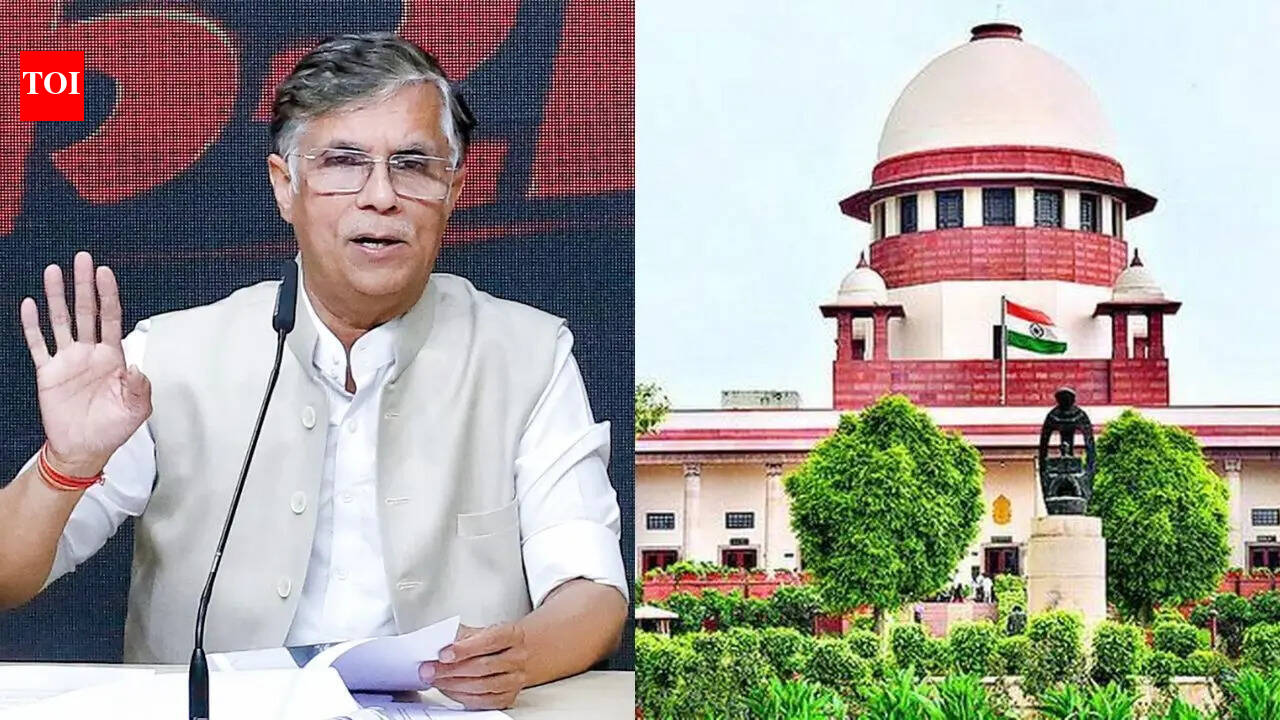
New Delhi: The Supreme Court on Friday granted anticipatory bail to Congress leader Pawan Khera, ordering him to cooperate with the investigation, appear before the police if summoned and not to tamper with evidence. The court said he could not leave the country without prior permission and allowed the trial court to impose additional conditions, while clarifying that its observations would not affect the merits of the case and the process should proceed independently.A bench of Justices JK Maheshwari and Atul S Chandurkar set aside the Gauhati High Court’s order denying the protection of pre-arrest and said, “While adjudicating future bail applications, a careful balance must be struck between the interest of the State and the fundamental right of individual to personal liberty under R 21 to ensure a fair investigation.” The court added, “We are of the opinion that the complaint and counter-complaint, as evident in the present case, are prima facie, politically motivated and seemingly influenced by such rivalry rather than revealing the circumstances warranting custodial interrogation.“
Granting the relief, the top court directed that Khera be granted anticipatory bail on arrest, subject to key conditions. He has been asked to cooperate with the investigation, appear before the police whenever summoned and refrain from influencing witnesses or tampering with evidence. The court also directed that he cannot leave the country without the prior permission of the competent court, allowing the trial court to impose additional conditions if necessary.The Supreme Court has made it clear that its observation of documents and information is limited to the bail stage and will not affect the merits of the case. It further held that the trial court should proceed independently without being influenced by his comments.
The apex court has flagged ‘political rivalry’ in the proceedings
The bench emphasized that the criminal law must be applied with caution, saying, “The criminal process must be applied with objectivity and caution so that individual liberty is not hampered by proceedings which may become colored by political rivalry.”It also found fault with the Gauhati High Court’s reasoning, noting that it wrongly relied on provisions not stated in the FIR and shifted the burden to the accused. “In our view, the observations made by the High Court in the impugned order are not based on a proper appreciation of all the material placed on record and appear to be erroneous,” the apex court said.The case arose out of allegations that Khera, during press conferences in Delhi and Guwahati on April 5, claimed that Rinikki Bhuiyan Sharma had multiple foreign passports and undisclosed foreign assets. He denied the allegations and filed an FIR accusing him of using forged documents.Appearing for Khera, senior advocate Abhishek Manu Singhvi argued that the case related to damage to reputation and did not warrant custodial arrest, maintaining that Khera was willing to cooperate and was neither a flight risk nor likely to tamper with evidence.Opposing the plea, Solicitor General Tushar Mehta, representing the Assam government, argued that the forged documents were circulated publicly and required a custodial interrogation to find out their origin and any wider conspiracy.The FIR, registered by the Assam Crime Branch, invokes provisions relating to fraud, cheating, false statement and defamation under the Indian Penal Code.