


Standards for fuel blends up to E30 notified
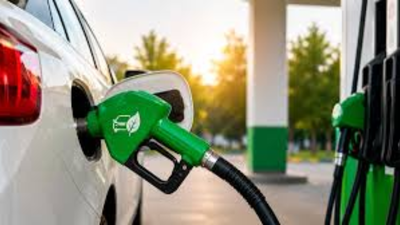
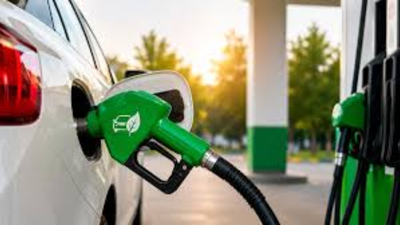
New Delhi: The government has notified a new standard for higher ethanol-petrol blends – E22, E25, E27 and E30 fuels – paving the way for blending ethanol in petrol beyond the current 20% level. The government’s push to increase ethanol blending comes amid reports of reduced crude imports due to the availability of surplus ethanol and conflicts in West Asia, which have impacted the energy supply chain. The new BIS standard, published on May 15, lays down specifications for fuel blends made by blending completely free-of-water (anhydrous) ethanol with motor gasoline for use in “positive ignition engine powered vehicles” or gasoline powered vehicles. The standard defines technical and quality parameters, such as composition, mixing requirements, permissible impurity levels, test methods and safety rules.Meanwhile, amid concerns over the impact of E25 (25% blend in petrol) on existing vehicles in terms of mileage and engine life, the Ministry of Petroleum commissioned the Automotive Research Association of India (ARAI) to conduct a detailed study on vehicles currently compliant with E10 and E20. Most existing vehicles are fully E10 compliant, as fully E20-compliant vehicles will only be on the market after April 2025. Notified fuel norms for different grades of ethanol and the ARAI study for E25 may push the government to blend more than 20%, though less than 25%, in the near future to exploit the surplus availability of ethanol, experts said. TOI has learned that in an inter-ministerial group meeting last week, the BIS said adding 1% additional ethanol to petrol beyond the current 20% would not be a problem. “But considering that increasing the blend to 25% would be a significant leap, ARAI will now conduct research using E10 and E20 compliant vehicles,” said an official. The All India Distillers’ Association (AIDA) has described the government’s move as an “important and timely step” towards progressing India’s ethanol blending program and reducing dependence on crude oil imports. People familiar with the development said there is a need to evaluate the engine life and performance (mileage) of vehicles not designed for higher ethanol blends, their emissions and upfront and recurring costs. As per best practice, vehicle samples should be driven up to 60,000-70,000 km for proper evaluation.