
एक अग्नि मिसाइल, 12 टारगेट्स स्वाहा… जानिए इसके पीछे की MIRV तकनीक – what is agni mirv missile
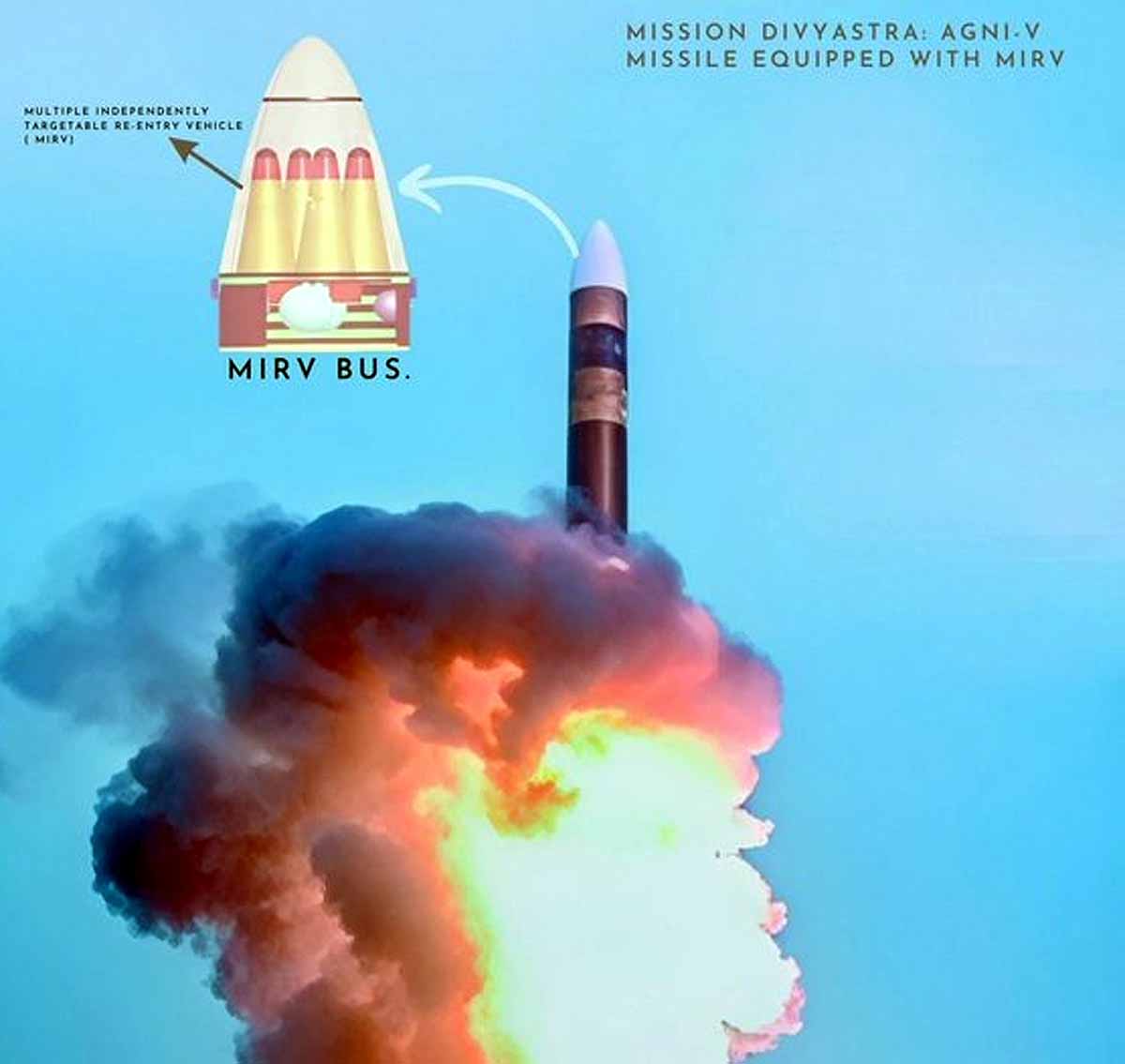
India successfully tested the advanced MIRV version of Agni-5 missile from Dr APJ Abdul Kalam Island in Odisha. This test is not just an ordinary missile test, but is going to completely change the strategic equation in Asia and the Indian Ocean region. Multiple independent warheads were successful in hitting different targets with the same missile. With this, India joined the select MIRV powers of the world.
What is MIRV technology?
The full name of MIRV is Multiple Independently Targeted Re-entry Vehicle. This means that a missile can carry multiple nuclear warheads. Each warhead can target different targets hundreds of kilometers away. Earlier one missile meant one target, but now one missile can destroy multiple military or strategic targets simultaneously.
America, Russia, ChinaAfter France and Britain, India has now joined this elite club. Each warhead can weigh up to 400 kg. The MIRV bus can carry 4-5 warheads. Some experts estimate that this number may reach 10-12 in future.
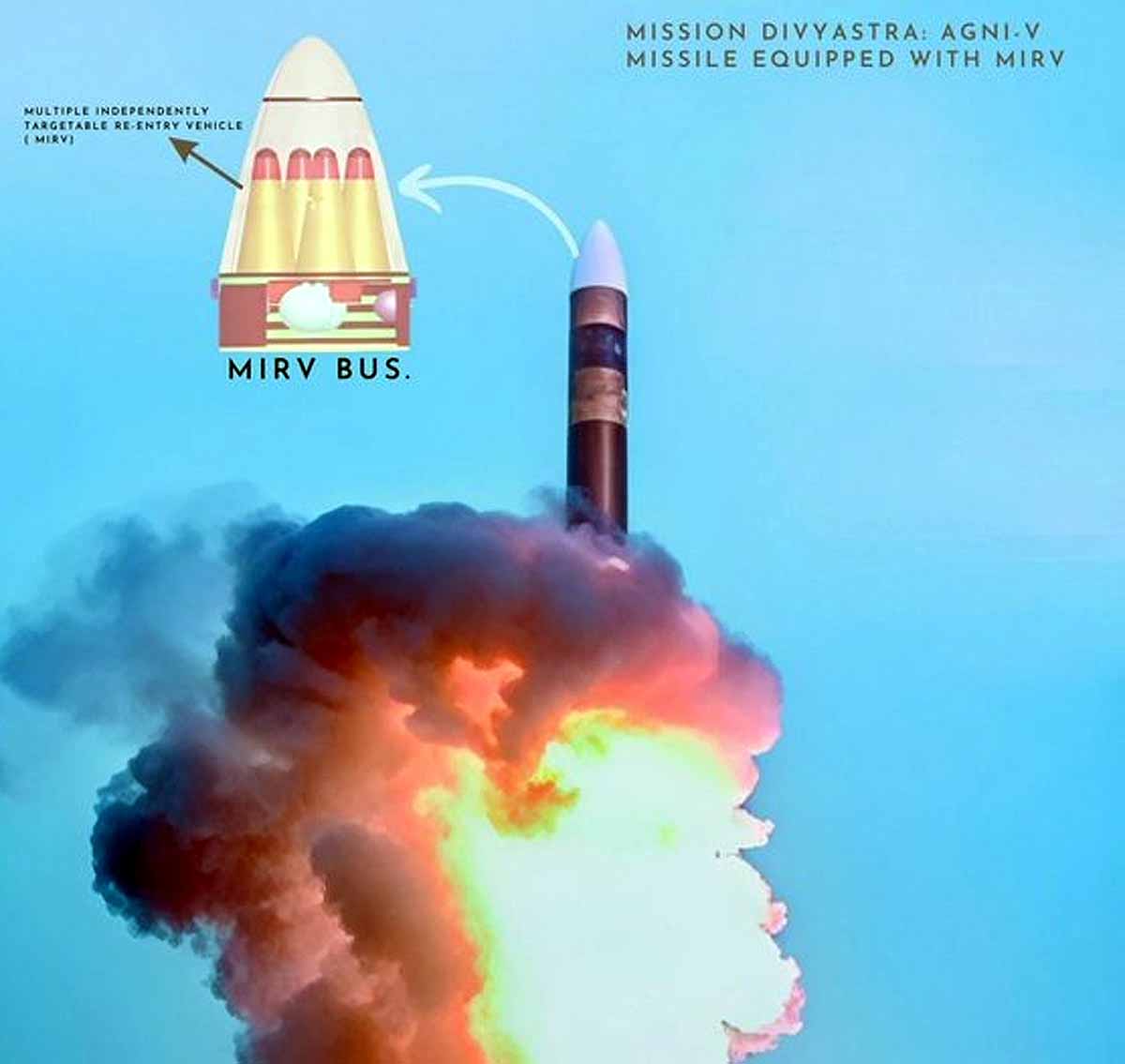
Why was the capability of the second attack strengthened?
This MIRV-equipped Agni-5 greatly enhances India’s second strike capability, which is the strongest foundation of nuclear deterrence. Even if the enemy stops some warheads, the rest still reach the target. Due to this the enemy’s missiles defense It becomes extremely difficult for the system to stop multiple warheads.
In this test, the missile took a sharp turn of 90 degrees in mid-flight, which is almost impossible for normal missiles. This has given the missile the ability to change direction unexpectedly, thereby dodging enemy radar and defense systems.
Also read: Pakistan introduced new Fateh-3 supersonic cruise missile, competing with BrahMos
Why would neighboring countries be worried?
This test strengthens India’s deterrence capability on the western front, northern border and the Indian Ocean region. This has happened at a time when China’s PLA is rapidly increasing its missile capability. A hypersonic arms race is going on in Asia. The number of submarines in the Indian Ocean is increasing.
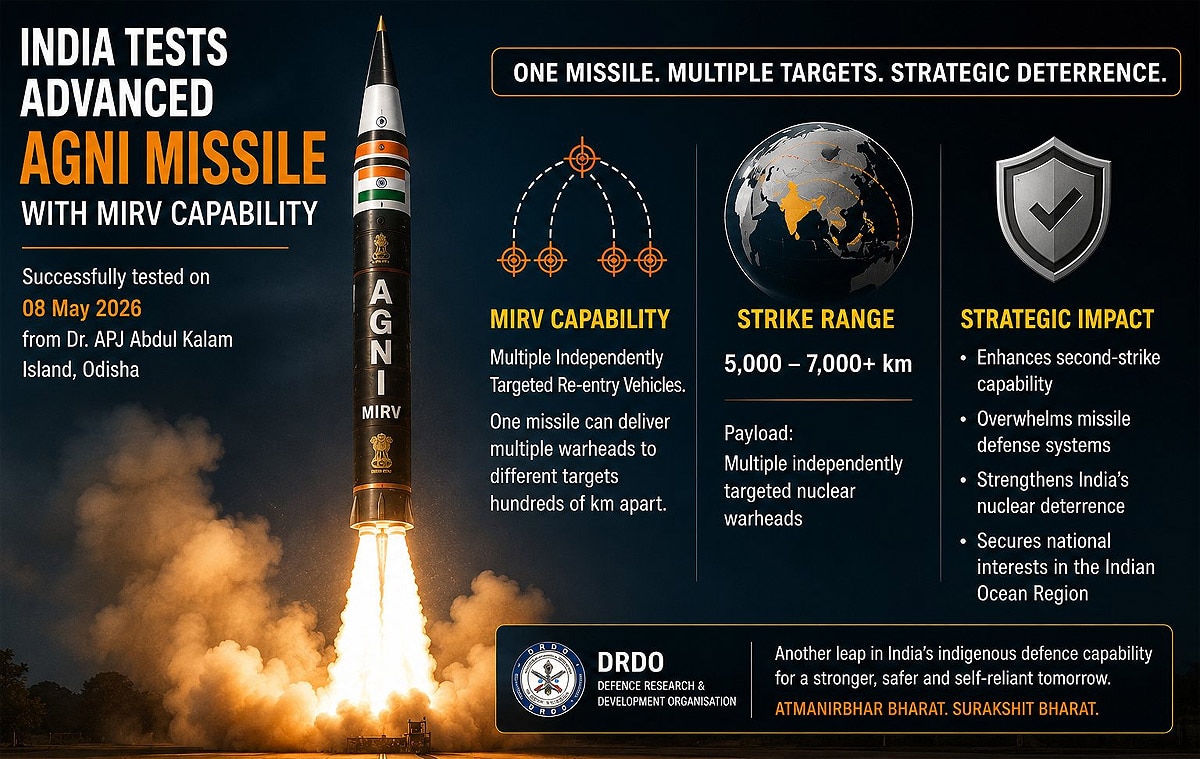
Indo-Pacific trade routes are being militarized. Agni-5 Its range of 5000 to 8000 kilometers can reach the northern parts of China. MIRV and 90 degree turn capability gives India strong counter-strike capability, especially under the no first use policy.
The technology behind this feat
To achieve an advanced capability like MIRV, a country has to work for many years or even decades. It requires advanced guidance computers, precision navigation systems, small size warheads, heat tolerant re-entry vehicles, ultra accurate payload separation and long range tracking systems.
Also read: WHO Chief said regarding Hantavirus – no need to panic, situation is under control
DRDO It has reduced the weight of the missile by 20% by using indigenous avionics, high-precision sensors, pressure tank, oxidizer system and composite materials. The carbon composite protected the warhead from excessive heat during re-entry. Decoy warheads can also confuse the enemy.
future programs of india
India is working on many fronts simultaneously. Hypersonic Glide Vehicle Programme, Anti-Satellite (ASAT) Systems, Indigenous Ballistic Missile Defence, Nuclear submarine These include fleet expansion, long-range drones, artificial intelligence warfare systems and space-based military surveillance.
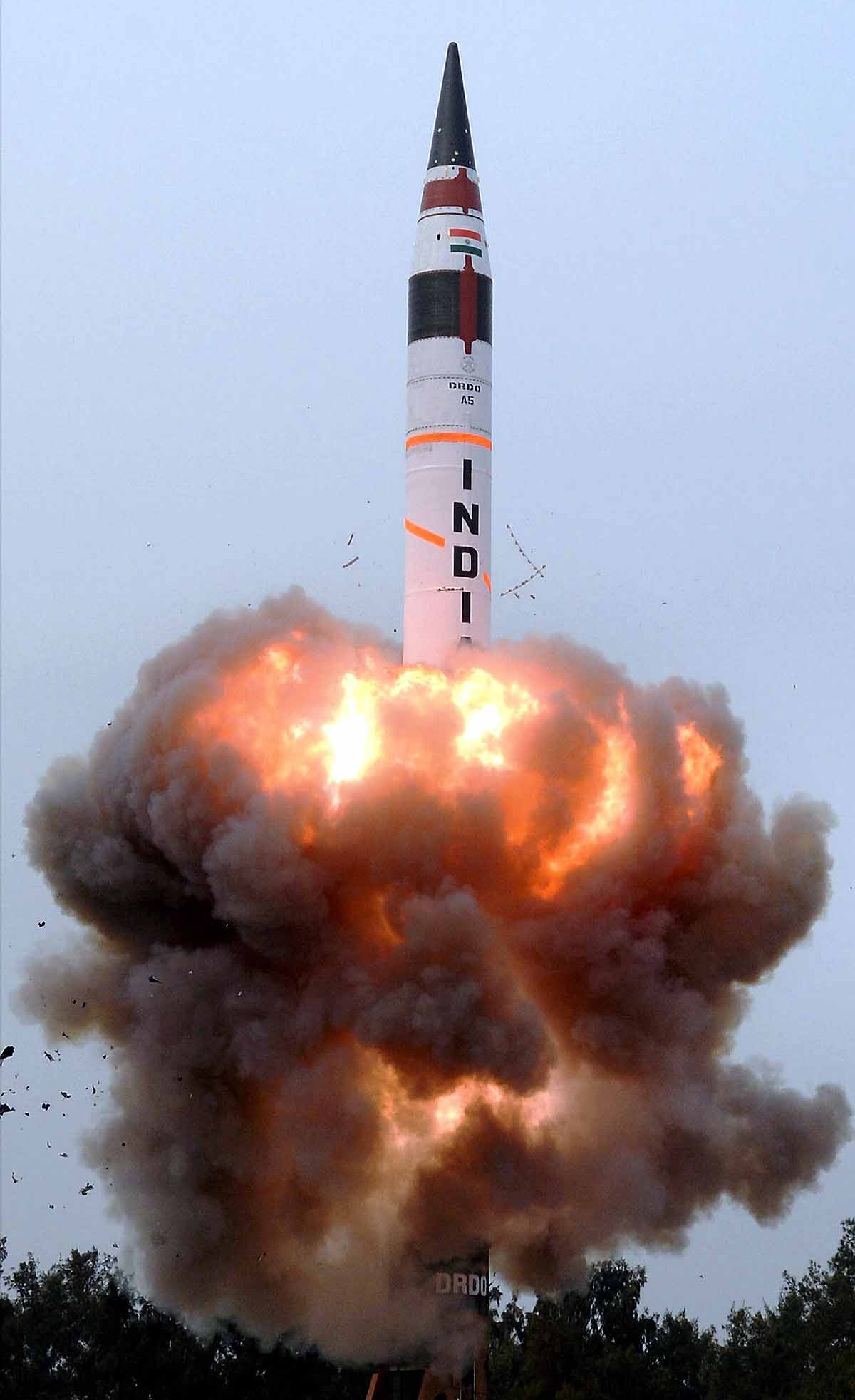
The plan for Agni-6 missile is ready, whose range will be up to 12000 kilometers. Tests of K-series submarine launched missiles are also going to happen soon. India’s defense exports have now reached record levels. Indigenous systems are being exported to many countries.
This test shows that India is no longer the only regional balancing power. It is building long-range deterrence capability, strategic autonomy, indigenous military-technical ecosystem and multi-domain warfare capability.
In modern geopolitics, economic power alone is not enough. Technical deterrence capability is equally important. In the next 25 years, only those countries which are ahead in AI, space, cyber, missile systems, quantum technology and semiconductor will dominate the world. India is clearly preparing itself for that era.
—- End —-