

Opposition files new notice seeking CEC Gyanesh Kumar’s ouster | India News
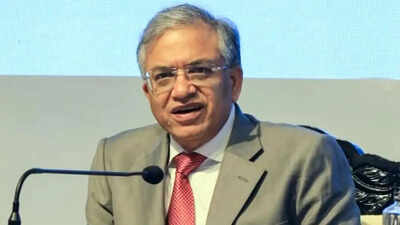
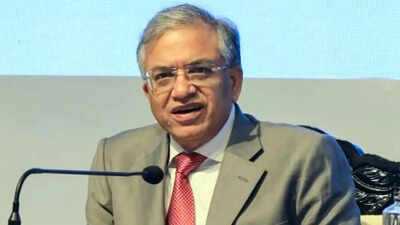
New Delhi: Opposition MPs in the Rajya Sabha on Friday submitted a fresh notice to the secretary general requesting him to send a motion to remove Gyanesh Kumar as chief election commissioner on the grounds of “proven misconduct”.Earlier this month, notices submitted by opposition MPs in both LS and RS were rejected by the Speaker and Chairman respectively. In its fresh notice, the opposition raised nine new allegations against Kumar.According to Congress spokesperson Jairam Ramesh, a resolution has been sought “on the basis of proven misconduct” – an example of the EC’s “straight talk” social media post after a meeting with a TMC delegation on April 8. The meeting ended on a tense note, with TMC leaders saying the CEC told them to “get lost” and the EC allegedly shouting at them.“Now there are nine specific allegations against the CEC which have been documented in great detail and which cannot be denied or whitewashed. Its continuation is an attack on the Constitution. It is a gross disgrace that the man remains in office to do the bidding of the Prime Minister and HM,” Ramesh said.The resolution was signed by MPs from Congress, TMC, DMK, SP, RJD, CPI, CPM, NCP (SP), Shiv Sena (UBT), JMM, IUML, NC and AAP.As part of the fresh complaint, the opposition has accused Kumar of “continuing partisan irregularities in the implementation of the Model Code of Conduct”, where it is alleged that he failed to act on complaints against Prime Minister Narendra Modi’s April 18 address to the nation on the defeated Constitution Amendment Bill on women’s reservation in the EC assembly elections. The CEC has “issued no show-cause notice, given any advice, and no public response” to the allegations made in this regard, it said. Other allegations include “administrative malpractices evidencing institutional proximity to the ruling party” and “unbecoming conduct of a constitutional functionary”. The list of grievances includes deletion of about 91 lakh voters and judicial disenfranchisement of about 34 lakh voters in West Bengal.