


Govt weighing steps to check current account deficit: Piyush Goyal | India News
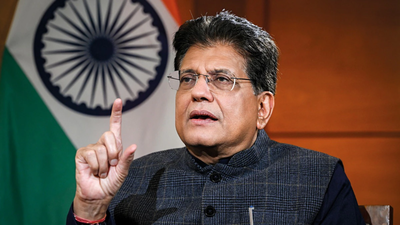
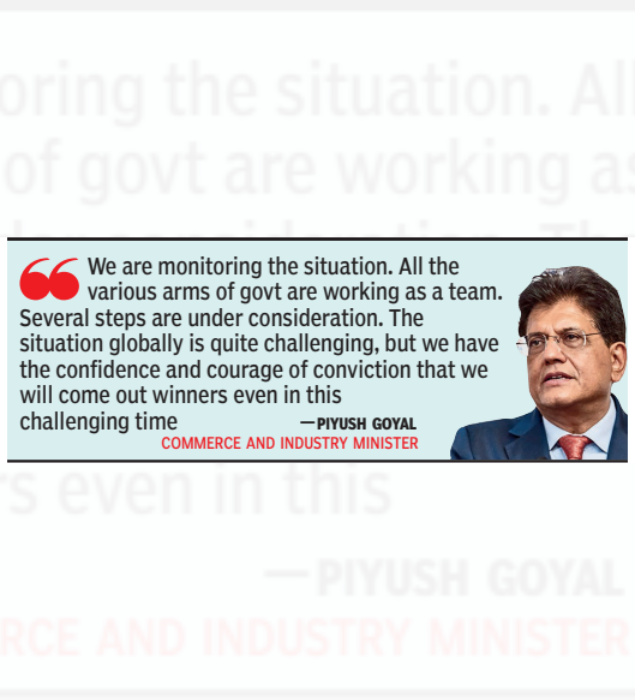
New Delhi/Mumbai: Amid the devaluation of the rupee, Commerce and Industry Minister Piyush Goyal Thursday said the government is considering various measures to contain the widening current account deficit (CAD). “We are monitoring the situation. All the various arms of the government are working as a team. Several steps are under consideration. The global situation is quite challenging, but we have strong faith and courage that we will emerge victorious even in these challenging times,” Goyal told reporters. Noting that the government has no plan to reduce non-essential imports, the minister said, people have been urged to be more aware of import-dependent products.
A few days ago, Prime Minister Narendra Modi urged citizens to postpone buying gold and avoid destination weddings abroad. Gold imports rose 24% to an all-time high of $72 billion in the last financial year, although volumes fell 4.8% to 721 tonnes. Silver imports rose 150% to $12 billion last year, with volumes up 42% to 7,335 tonnes. The government has increased the import duty from 6% to 15%. “With the oil trade deficit likely to widen and possible pressure on remittances from West Asia, we forecast India’s current account deficit (CAD) to widen to 2.2% this fiscal from an estimated 0.8% last fiscal,” CRISIL economists led by DK Joshi said in a recent analysis. The trade deficit was driven last year by a rise in gold and silver prices, an oil shock after the West Asian conflict and a withdrawal of portfolio investments, leading to a sharp weakening of the rupee, which flirted with the 97-mark against the dollar on Wednesday. On Thursday, however, it ended 62 paise higher at 96.20, helped by central bank intervention and a pullback in crude oil prices. The Indian currency has been among the worst performers in Asia, depreciating by around 7% so far in 2026. Dealers said the rupee strengthened to 50 paise and gained ground with heavy tariff intervention by the RBI on public sector banks. “The rupee’s recovery is currently being driven by profit booking and softer crude prices rather than any major structural changes, although lower oil prices may provide temporary relief to the currency,” said Jatin Trivedi, research analyst at LKP Securities. A weak rupee is bad news for imports, especially crude, as it could push up domestic inflation. “This external force shock has upset the macro-apple cart and put the rupee under pressure. Compared to previous crises, India’s external balance is starting from a much stronger position, especially in terms of current account stability and foreign exchange reserves,” DBS economist Radhika Rao and forex strategist Philip Lee said in a note on Wednesday.