

Oscar Speech on Deathbed, Refused Nehru Docu; First Film Loan
Mumbai2 hours agoAuthor: Abhay Pandey
- copy link
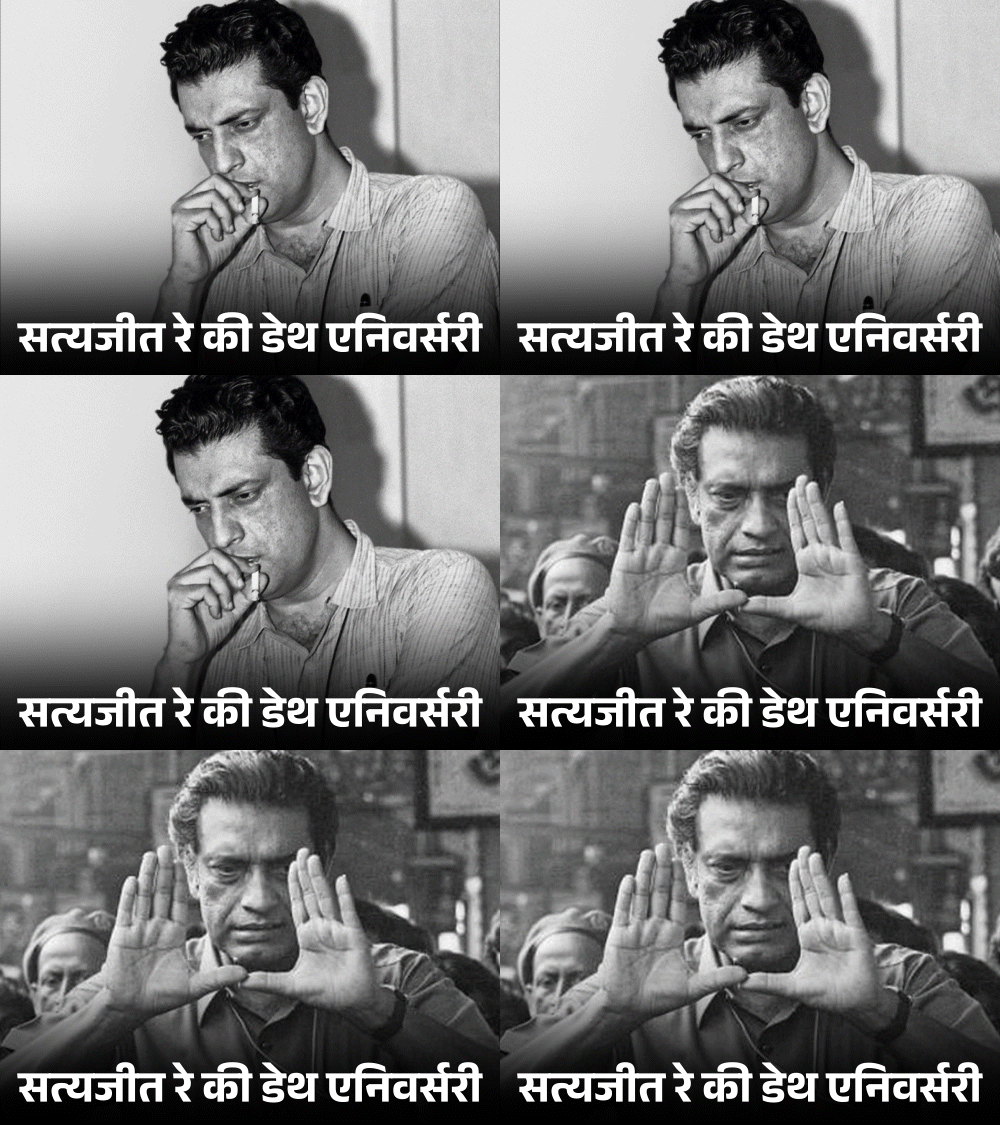
Satyajit Ray was awarded the Bharat Ratna, India’s highest civilian honour, in 1992.
A filmmaker thought of making a film, but since it had no action, no romance, no songs, no producer agreed to invest money. Then he mortgaged his savings, LIC policy and even his wife’s jewelery for the film and somehow started shooting.
But the shooting stopped midway due to running out of money, then the government considered it a loan and gave money to make the film. Due to which the film was somehow completed.
When the film was released, the response was lukewarm in the first two weeks, but from the third week the film started getting houseful every day and even the then Prime Minister Jawaharlal Nehru was extremely impressed by the film. The film won many awards at the international level including the National Award and gave a new identity to Indian cinema. This film was Pather Panchali and the filmmaker was Satyajit Ray.
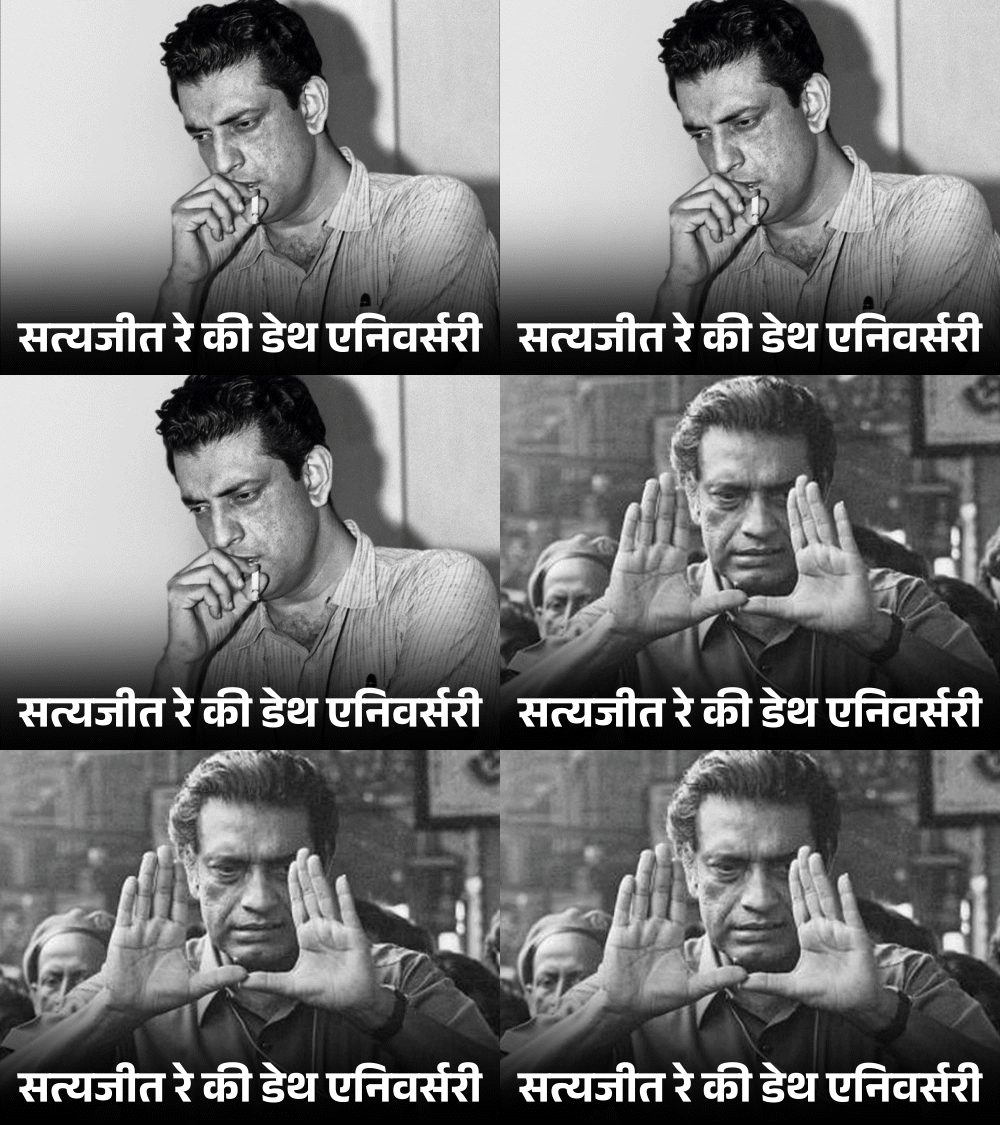
Today is the 34th death anniversary of Satyajit Ray. Come, let us know some stories related to his life.
Story-1: Decided to take up filmmaking after watching an Italian film.
Satyajit Ray was born on 2 May 1921 in Calcutta (now Kolkata). His family was associated with literature and art. Father Sukumar Ray was a famous writer and painter. Ray’s father passed away when he was very young. Due to this the financial condition of his family became weak.
After the death of the father, all the responsibilities of the house fell on the mother. Mother took care of the entire house, managed the expenses and also did the job. Ray studied art at Santiniketan after completing his studies at Presidency College, Calcutta.
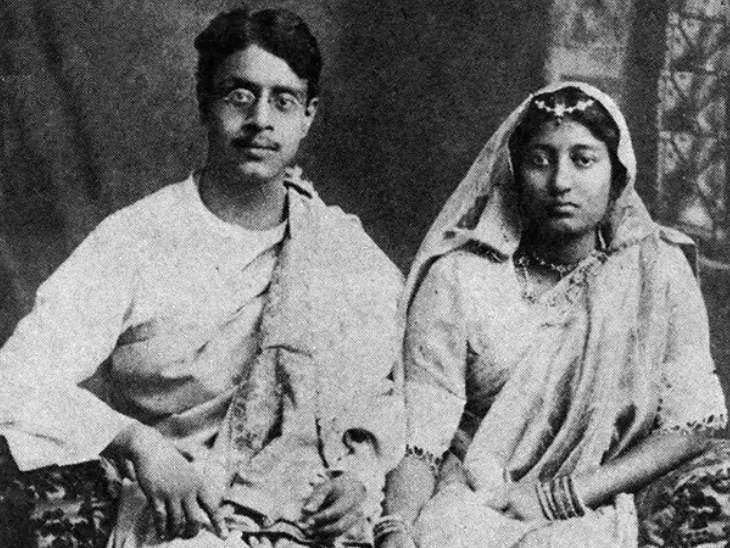
Photograph of Satyajit Ray’s father and mother.
Satyajit Ray started his career in advertising agency D.J. Worked as a graphic designer in Keymer. He also worked as a book cover designer. He had made covers of many books including Nehru’s Discovery of India.
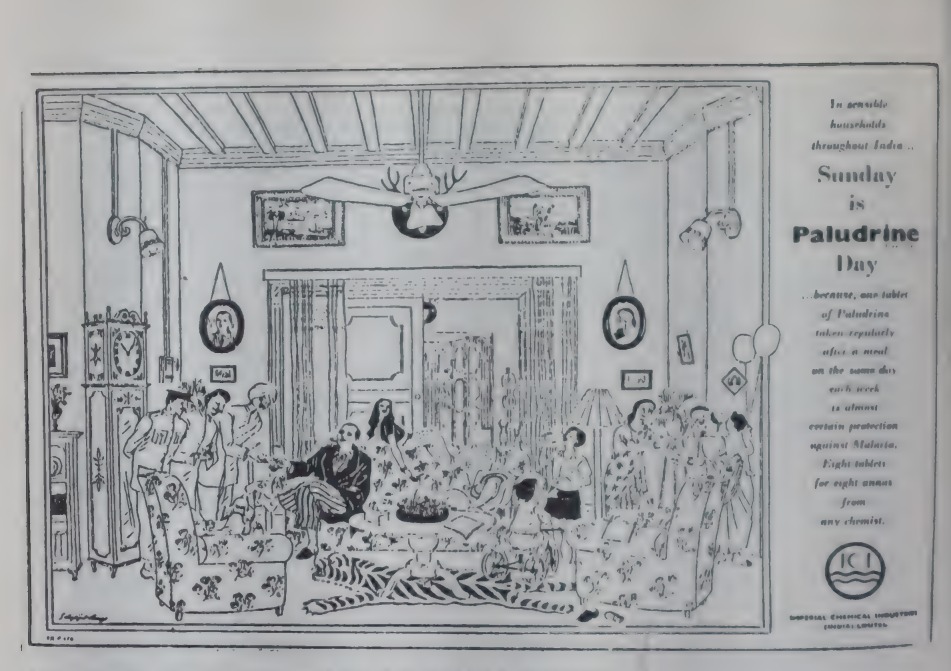
DJ. An ad designed by Satyajit Ray for Keymer. (Source: Satyaraj Ray’s book ‘My Years with Apu’)
During this time, his interest in films started increasing. In 1947, along with his colleagues, he formed a film society, where foreign films were shown.
In 1949, he met French director Jean Renoy, who inspired him to make films. In 1950 he went to London for an assignment. There he saw many films, but the Italian film Bicycle Thieves had the most profound impact on him. After watching this film he decided that he would become a film director.
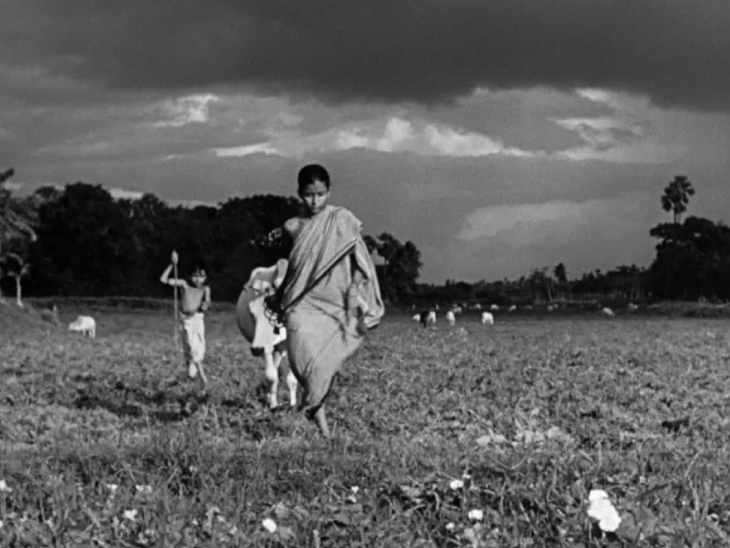
‘Pather Panchali’ told the story of a poor rural family in Bengal, primarily shown through the eyes of two children, Apu and his elder sister Durga.
Kissa-2: He mortgaged his wife’s jewelery for his first film.
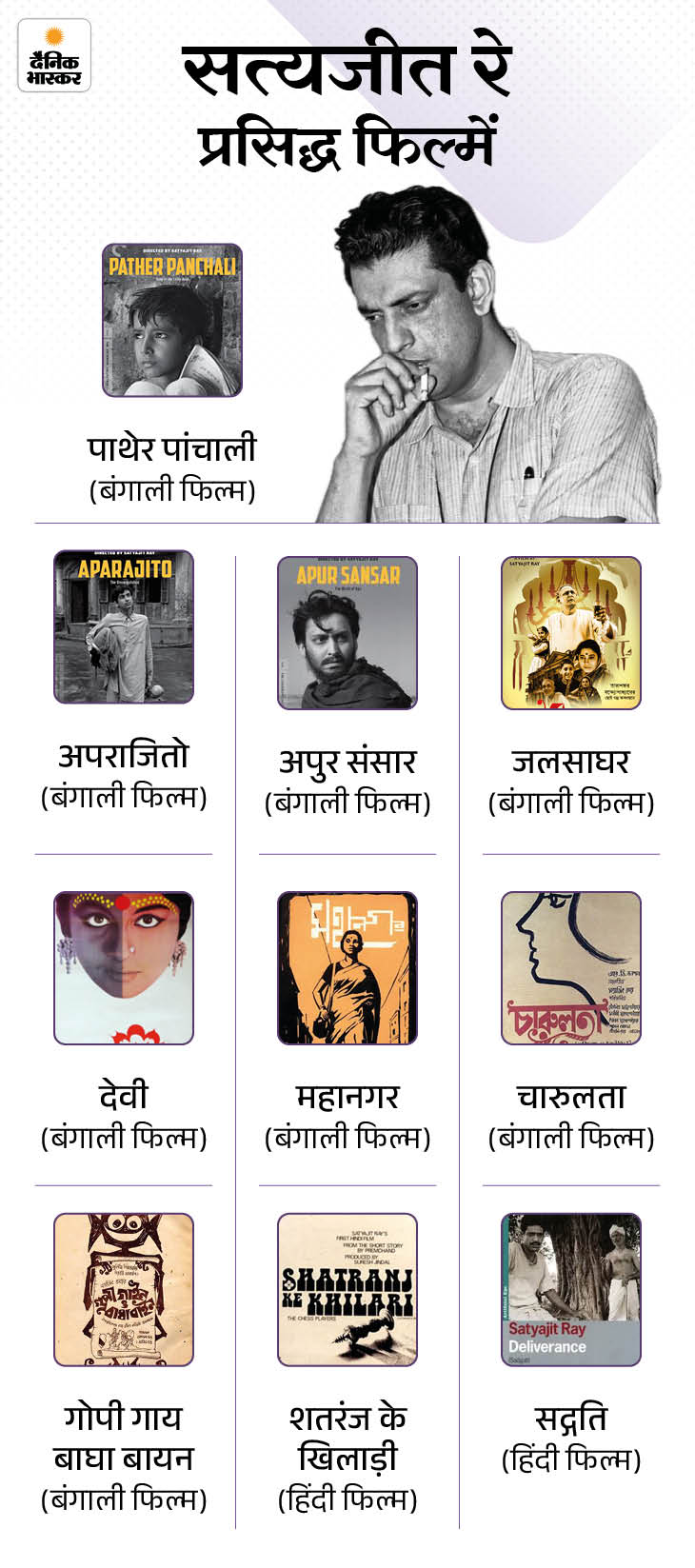
The first film of Satyajit Ray’s film career was Pather Panchali (1955). The film was based on the novel by Bengali writer Vibhutibhushan Bandyopadhyay. Ray was so impressed by the novel that he decided to make his first film based on it. However, making the film was not easy.
Ray assembled a new and inexperienced team for the film. The film did not have big stars, songs and action, so no producer was ready to invest money.
He continued working and mortgaged insurance policies to raise money. Even his wife mortgaged her jewellery. In this way, after raising approximately Rs 17,000, he started shooting the film in 1952. He faced many technical problems during the shooting.
He initially experimented with shooting with a 16mm camera and converting it to 35mm to reduce costs, but the experiment was unsuccessful. The footage didn’t come out right and they had to start again. Another big problem was location. Once he had chosen a village where the train scene was to be shot among flowers, but when he reached again, the cows and buffaloes had eaten up all the flowers. The whole scene got spoiled. Then the money ran out in the middle of the shooting and the shooting stopped for almost a year.
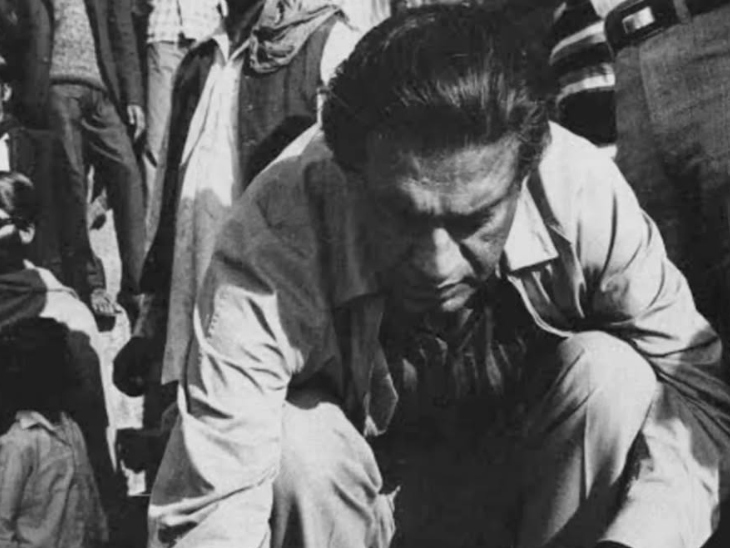
Satyajit Ray’s film ‘Pather Panchali’ literally means ‘Song of the Short Road’.
Story-3 The owl sat in the house; got loan from government
During Satyajit Ray’s struggle to make Pather Panchali, a very interesting and mysterious incident happened, which is mentioned in his book ‘My Years with Apu’.
As told to you, the money had run out and the shooting of the film had stopped. One morning when Ray woke up, he saw a white-brown owl sitting outside his room’s window and continuously looking at him. This was not a normal thing because such a scene is rarely seen in the city.
Gradually this news reached the people nearby. Neighbors peeped out of their houses and started looking at the owl. Some people were trying to shoo him away, some were making noises to call him, but the most surprising thing was that the owl did not move at all, he remained sitting there continuously and his eyes were fixed on Ray.
According to Indian belief, owl is considered the vehicle of Goddess Lakshmi. Therefore people believe that if an owl is seen near the house, it is a sign of wealth and good fortune. This was the reason that there was curiosity and even a little jealousy among the neighbors.
Ray observed this incident with great attention. The most surprising thing was that the owl remained sitting there for two consecutive weeks. Every morning when Ray woke up, he would be found sitting in the same place, in the same manner, as if he had come especially for him.
Then one day suddenly that owl disappeared. No one knows when and how he left, but shortly after his departure, Ray received a very important news. He received a call from the then Chief Minister of West Bengal, Dr. B.C. Got an invitation to meet Roy.
After meeting the Chief Minister, the government gave a loan to his film considering it to be related to village development, due to which the shooting could be completed. Thus, after a lot of difficulties, the film was released in 1955, three years after the shooting started.
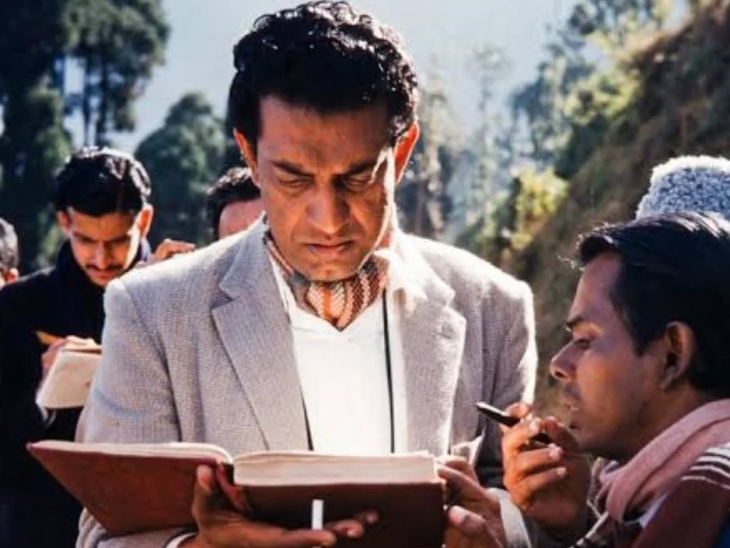
Satyajit Ray directed 36 films in his career.
Story-4 Nehru saw the film and was impressed
The shooting of Pather Panchali was done, but initially people were not very excited to release the film. The film remained unreleased for almost three months. When it was released, its performance was not great in the first two weeks, but from the third week onwards it started getting housefull every day.
The then Prime Minister of India Jawaharlal Nehru saw the film and was greatly impressed. The film was initially released in theaters for only six weeks, as that was the time available. After these six weeks, the film was moved to another theatre, where it ran for another seven weeks. That is, in a total of 13 weeks the government recovered its entire cost and whatever was earned after that was profit.
The film was the first part of the Apu Trilogy, the other two parts of which were Aparajito (1956) and Apur Sansar (1959).
Story-5 Married cousin secretly
Satyajit Ray’s love story has also been quite heart-warming. He married his first cousin Bijoya Das. Bijoya’s father was the elder half brother of Satyajit Ray’s mother.
Bijoya Has been an actress. He worked in films like Shesh Raksha, Mashaal. Bijoya’s childhood was spent in Patna, but in 1931, when she was thirteen, her father died and she, her mother and sisters had to move to the home of her maternal uncle Prashant Das in Calcutta. It was here that he and Satyajit met for the first time.
Then gradually a good friendship developed between the two. While living in the same house, this friendship turned into love, but both of them kept their relationship a secret for a long time. Ray first thought of getting married in the registry office, but Vijaya’s mother was not ready for this. Ultimately, both of them got married quietly on 20 October 1949 at Bijoya’s sister’s house, without informing their families.
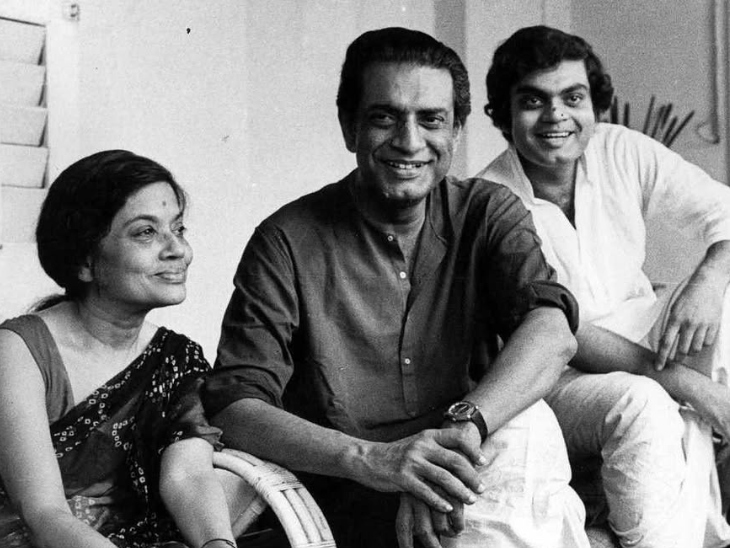
Picture of Satyajit Ray and Bejoy with their only son Sandeep Ray.
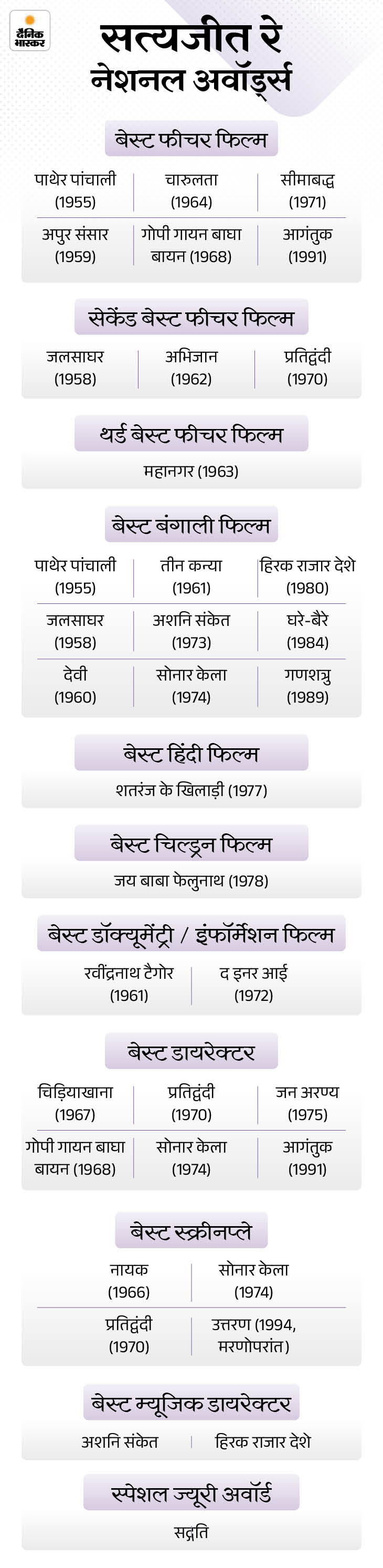
Story 6: The President of France himself came to pay his respects. Satyajit Ray received many awards for his contribution to cinema. He won 36 National Film Awards, which is a record in itself. He was awarded the Dadasaheb Phalke Award, Bharat Ratna and the Academy Honorary Award (Oscar) in 1992. He is the only Indian filmmaker to receive the highest honor at the world’s three major film festivals, Cannes, Venice and Berlin.
Francois Mitterrand, the former President of France, broke protocol and came to India to give his country’s biggest civilian honor to Satyajit Ray. On February 2, 1989, Ray was awarded the Legion d’Honneur, France’s highest civilian award.
At that time, the President of France himself came to Kolkata and gave him this honor in a ceremony held at the National Library. This was a very special occasion, because usually such awards are given abroad, but Mitterrand had come to India to give this honour.
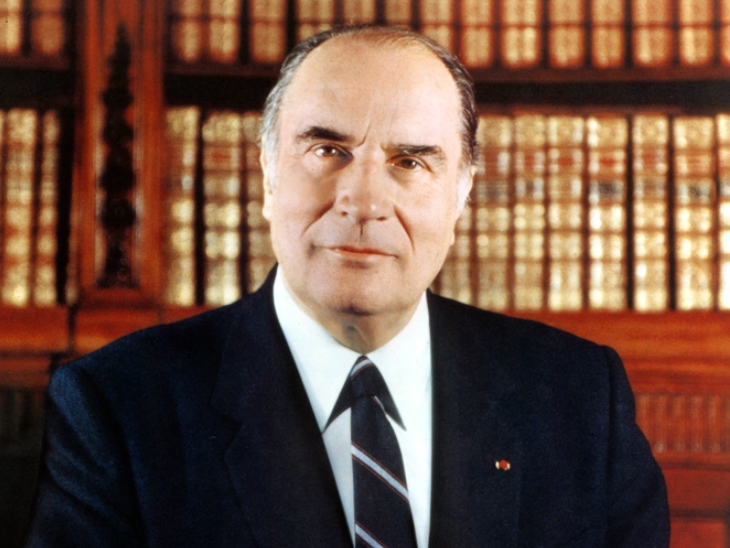
François Mitterrand was President of France from 1981 to 1995.
Case-7: Refused to make documentary on Nehru
Satyajit Ray had refused to make a documentary film on Nehru. Actually, it was the period of Emergency and the then Indira government wanted to make a documentary on Nehru’s life and social work.
The government decided to give this responsibility to Satyajit Ray because he was one of the well-known filmmakers of the country, but Ray flatly refused. When asked why he did this, his simple answer was, ‘I’m not interested in it.’
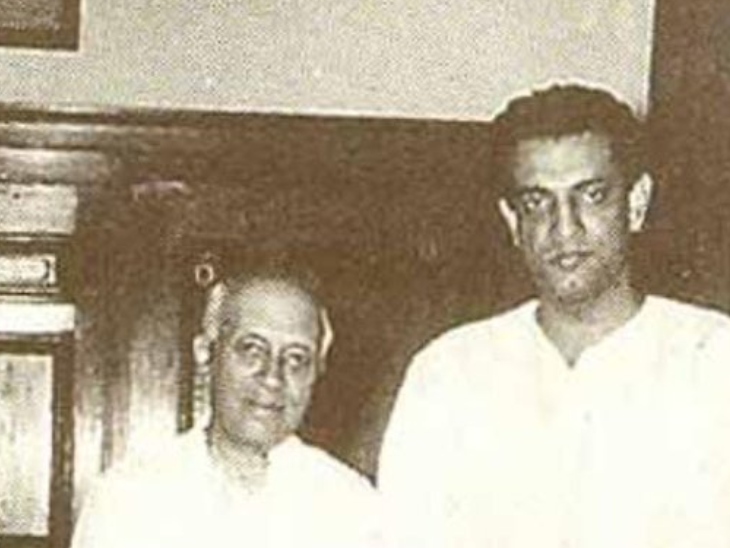
On the special request of Nehru, Satyajit Ray made a documentary film on Rabindranath Tagore on the occasion of his birth centenary in 1961.
Story 8: Oscar’s speech on his death bed
Satyajit Ray was announced to be given Oscar’s Lifetime Achievement Award in 1992, but at that time he was hospitalized due to heart disease. In such a situation a unique decision was taken. The Oscar team itself reached Kolkata and honored him with the trophy on his hospital bed.
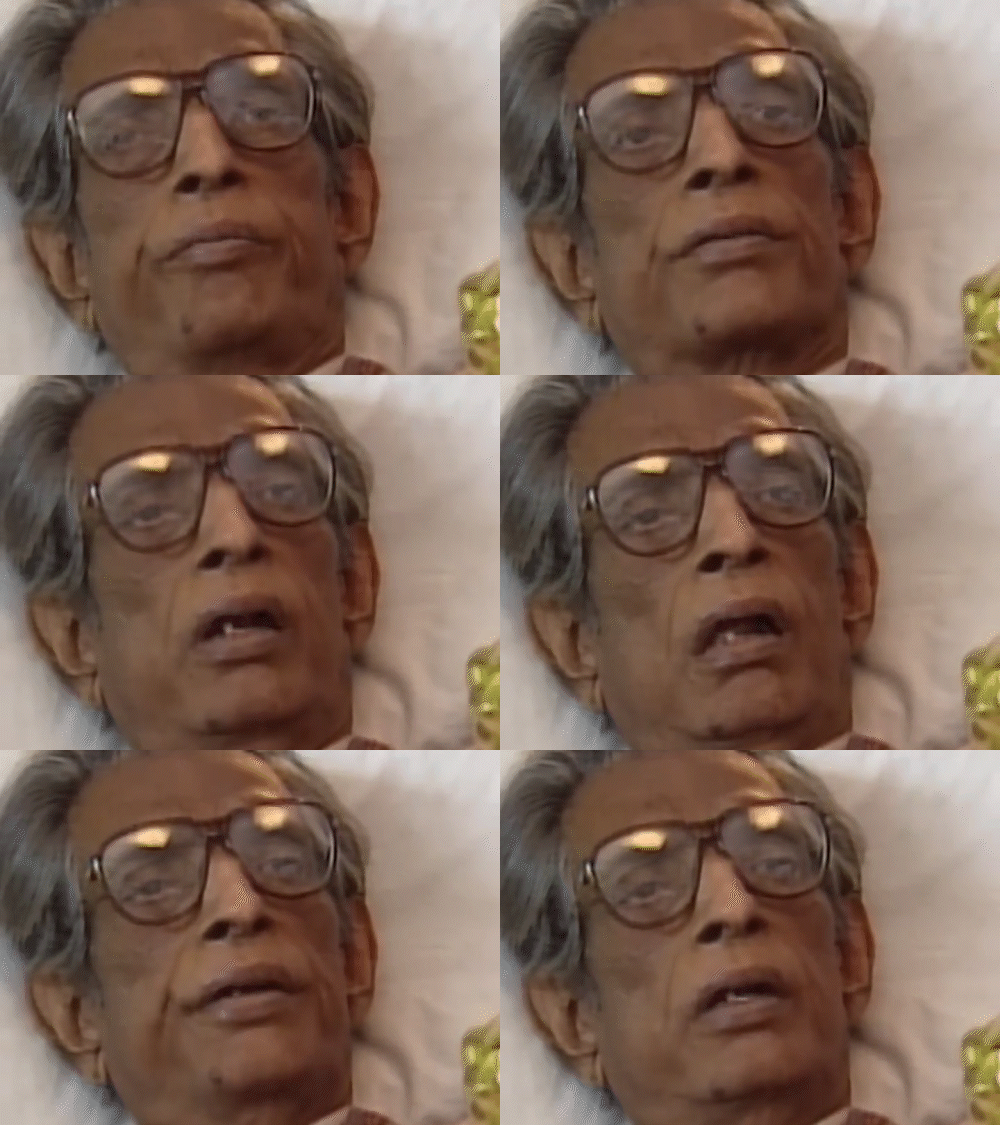
Hospitalized Satyajit Ray gave his Oscar speech.
His acceptance speech was recorded in the hospital and shown to the world during the Oscar ceremony on March 30, 1992. Her name was announced by the great actress Audrey Hepburn. About a month after this honour, he died of a heart attack on 23 April 1992.
………………………..
Also read this news related to Bollywood…
When the shooting was stopped, B.R. Chopra took Madhubala to the dock: Prince watched his film to understand India, Jawaharlal Nehru wrote a letter
Exactly 112 years ago today, son Baldev was born in the house of Vilayati Raj Chopra, who worked in a government job in PWD in Punjab, undivided India. Baldev Raj Chopra was the second in a family of 6 brothers and sisters. Read the full news here…