

We pass sweeping orders without realising impact on the ground: CJI | India News
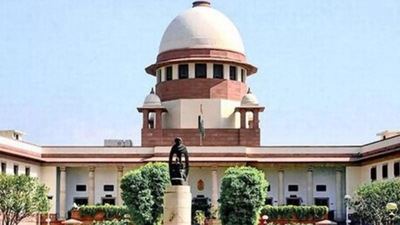
New Delhi: In an unusually introspective remark, a Supreme Court bench headed by Chief Justice Surya Kant on Friday said that on several occasions the Supreme Court ignored India’s social ground realities and passed sweeping orders without understanding their adverse impact on the social fabric.When a batch of petitions challenging the validity of sedition provisions in the BNS and allowing the police to conduct a preliminary investigation before registering an FIR came up for hearing, senior advocate Menaka Guruswamy said the police should be allowed to conduct a preliminary investigation before registering an FIR. 2014 judgment of Lalita Kumari.In a 2014 judgment, the SC ruled that if a complaint discloses a cognizable offence, the police must immediately register an FIR but can conduct a preliminary investigation into such complaints in cases of marital disputes, medical negligence and certain other categories.If police cannot verify allegations before FIR, who else will: SCCJI Kant said, one has to wait a few years to check the validity of the provisions of any new law, monitor its effectiveness and find loopholes; The same can be challenged. “Do you know how Lalita Kumari’s judgment is misused by filing frivolous cases for FIR registration? How judicial forum is misused,” he asked.The CJI said, “In some cases, we sit in ivory towers and issue sweeping orders without understanding the social realities of the country. Frivolous complaints filed in the heat of the moment in rural areas, when converted into FIRs, have the potential to create deep animosity in society.”Justice Kant said, “We pass sweeping orders in the name of protecting fundamental rights which actually disrupt the social fabric.” Guruswamy said how the police can have the power to determine the veracity of the allegations while registering the FIR arguing that the police can do so after registering the FIR.The bench said, “If the police cannot determine the veracity of the complaint before converting it into an FIR, who will?” Justice Bagchi said, “The Lalita Kumar judgment empowered police to conduct preliminary investigation in various categories including matrimonial disputes. The Legislature has reflected this aspect in the law with respect to the degree of punishment for the offence. Such a provision cannot stand in the teeth of the Lalita Kumar judgment.”“Guruswamy argued that the sedition provision was included in the BNS even though the central government had pledged not to do so before the SC. The SC said, “The Central Government can make such an undertaking. But the Parliament is not bound by it. The Parliament has the exclusive power to legislate. While examining its validity, the SC can interpret and read it down.” It posted the petitions for detailed hearing in the second week of March.