


PMO seeks third-party audits for road, rail projects; highway ministry asked to study GQ-era construction | India News
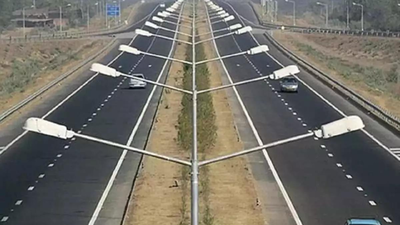
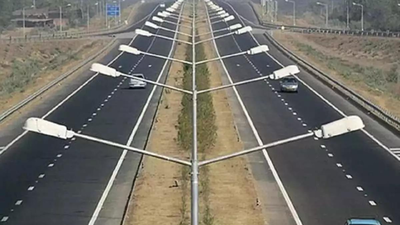
NEW DELHI: Amid the increased pace of construction and the laying of new road and rail corridors, the PMO has directed the Ministry of Road Transport and Railways to introduce independent third-party audits to ensure high-quality work. They have also been asked to remove delays in project implementation.TOI has learned that the PM Narendra Modi Noting why there were very few quality-related complaints during the execution of the country’s first flagship highway development programme, the Golden Quadrilateral asked the road transport ministry to study construction practices.The PMO also suggested that the ministry study the practice of third-party independent audits in Indonesia, which has institutionalized the process of improving quality and accountability in major infrastructure projects. Last year, Malaysia also introduced “external audit” for this purpose.Both the ministries have been directed to take measures for fast movement of trains and vehicles on their corridors, considering the high investment in the sector. According to the directive, the road ministry will identify constraints and gaps resulting in the average speed of freight trucks on the high-speed corridor being around 50 kmph against the desired speed of 70 kmph and address them. Similarly, the railways will set a phased target to increase the speed of trains on the corridor from 110 kmph to 130 kmph and further to 160 kmph and above 200 kmph.Officials involved in the highway project have acknowledged the need to focus on quality issues as the next phase of highway development will have more expressways and economic corridors for faster movement of freight and passengers.They added that the ministry has already identified quality-related issues and initiated processes to address them. Revising the duration of highway construction in contract documents to three years from the current 2-2.5 years and scrapping the provision of bonuses to contractors for early completion of works are some of the first steps.Engineers involved in both the GQ and the current highway project said that although the scale of construction at that stage was small, quality control of materials and workmanship was rigorous. “The authority’s engineers and consultants are mostly from abroad, and they won’t compromise on quality. There were big and credible highway builders, and even government engineers were strict about quality,” said a former NHAI member.In fact, the head of a major highway construction firm, while attending a quality improvement meeting chaired by senior officials, shared how government engineers and consultants would not bow to any pressure to compromise quality during GQ implementation.“Objective and strict monitoring of quality of materials and construction by field workers is the only solution. We must give enough time to report the project and rush construction,” said an official overseeing the sector.A former director general of roads said the quality of construction has taken a backseat with the sudden increase in the number of highway builders, many of whom were previously on subcontracting and maintenance contracts.“Good engineers and independent consultants face pressure from various quarters to be strict in overseeing projects and are often complained against by contractors. There should be clarity – that authorities will not give them leeway for mischief and stand by qualified civil servants and consultants. We need more credible quality testing agencies who will not compromise at any cost,” he added.