

Losing muscle with age? New Indian guidelines warn of a hidden health risk | India News
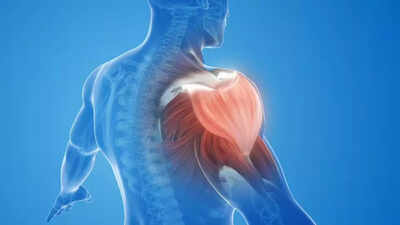
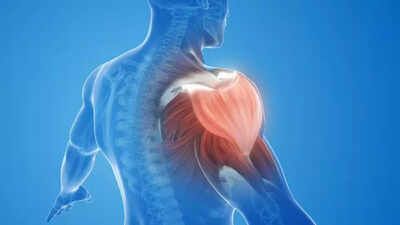
NEW DELHI: Doctors in India are raising the alert for a little-known condition that may quietly rob millions of older people of their mobility and independence: sarcopenia, or age-related muscle loss.To address the issue, the Geriatric Society of India has published the country’s first “Indian Guidelines for Evaluation and Management of Sarcopenia”. The recommendations, developed by experts across multiple specialties, including geriatric medicine, orthopedics, endocrinology, physiotherapy and nutrition, aim to help doctors identify and treat muscle wasting – before it leads to falls, disability and loss of independence.
Sarcopenia, which literally means “wasting of flesh,” refers to the gradual loss of muscle mass, strength, and physical function with aging. Doctors say it’s often overlooked, but it can significantly increase the risk of fractures, hospitalizations and even death.The concern comes as India’s population is growing rapidly. By 2050, the country is expected to have about 319 million people aged 60 and over, more than one-fifth of the population. Experts warn that without preventive measures, sarcopenia could become a major public health challenge.Studies suggest that the condition affects 8-18% of community-dwelling older adults, rising to 25-40% in hospitalized elderly patients, with the risk being higher in people with chronic diseases such as diabetes.Dr. OP Sharma, who spearheaded the guidelines, emphasized that muscle health is central to healthy aging. “Power preserves dignity. Early detection saves independence,” he said, adding that sedentary lifestyles, poor nutrition and chronic illness are accelerating muscle wasting in the elderly.The guidelines advise doctors to watch for warning signs such as poor grip strength, slow walking speed and difficulty rising from a chair. Screening tools such as the SARC-F questionnaire can help identify at-risk individuals, particularly in primary care settings.Experts say the encouraging news is that sarcopenia can often be prevented or slowed with simple lifestyle measures. Key recommendations include strength-training exercise two to three times a week, adequate protein intake, and addressing vitamin D deficiency. Doctors recommend including protein sources such as pulses, cheese, soya and pulses, especially in vegetarian meals.Dr. Raju Vaishya of Indraprastha Apollo Hospital said awareness about muscle health is low. “India is a sarcopenic country,” he said, citing poor nutrition, inactivity and aging as key drivers.Dr. Randeep Guleria says the guidelines aim to bring muscle health into routine medical care. “They bridge science with clinical knowledge, making sarcopenia visible in everyday practice,” he said.Doctors say early detection and treatment could help millions of seniors stay mobile, independent and healthy longer, easing the growing health care burden of the aging population.