

Do jism, ek jaan? No thanks: How Gamophobia is changing the language of love | India News


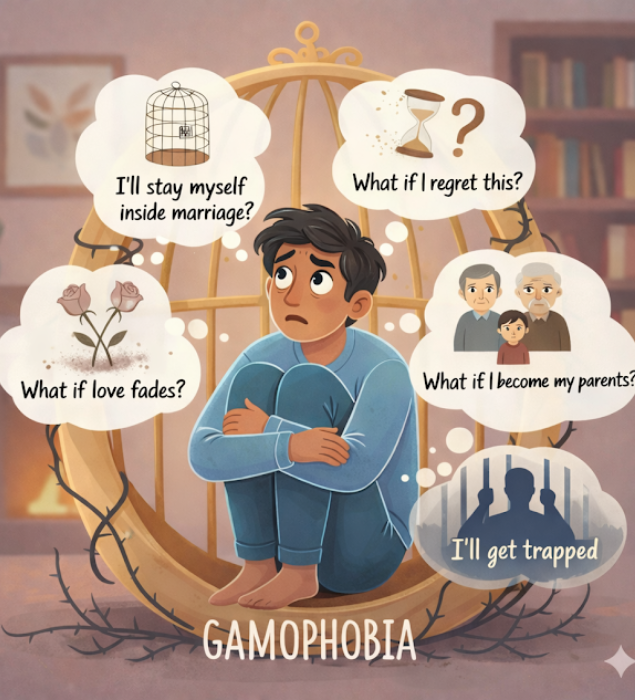
In a world where relationships have become more visible and more complicated, a curious psychological phenomenon is quietly gaining attention – gamophobia, the fear of commitment or marriage.It’s more than just occasional cold feet, flinching before a proposal or hesitation about settling down. Gamophobia is a deeply rooted, lived experience that can color every connection, shape life choices, and define what love looks like for many people. Increasingly, mental health professionals, authors, and even everyday couples are referring to this concept not just as a buzzword, but as an actual emotional barrier.Ankur Halder, a 27-year-old IT professional, puts it perfectly- like Abhay Deol said Zindagi no Milegi Dobara“Muzhe do jism ek jan na chahiye.” The word “gamophobia” itself comes from the Greek gamos (marriage) and phobia (fear). At its core, it talks about the fear of getting married or entering into a long-term intimate commitment. However, in practice, it is much shorter. People who struggle with gamophobia aren’t necessarily afraid of love or companionship. Instead, they fear the potential loss of stability, vulnerability, expectations, and autonomy that lifelong attachment can entail.
But now why this fear is seen more? Why are more people open to calling themselves “afraid of commitment”? Is this simply a sign of a generation spoiled for choice, or is it rooted in deeper psychological and social change? And importantly – what does it look like in a place like India, where marriage still carries cultural gravitas unlike in many parts of the world?To explore these questions, we must move beyond the label and into the lived reality that resonates with gamophobia in the twenty-first century.
Gamophobia has many faces
Gamophobia is not a clinical diagnosis in major psychiatric manuals such as the DSM-V; It is a loosely defined term used in psychological, cultural and pop-psychology circles. Yet, its emergence reflects real emotional and relational patterns that therapists see every day.For some, this manifests as anxiety or panic when conversations about the future become serious. For others, it shows as a breakdown in long-term relationships — starting strong, drifting apart, or falling into a self-fulfilling breakup before things get too real. Some experience insomnia, avoidance, or physical symptoms at the thought of tying their lives to others.Importantly, gamophobia is not just a fear of marriage. This can be expressed as:
- Fear of dependency or vulnerability
- Fear of repeating past relational trauma
- Fear of losing your identity
- Fear of failure in love
- Fear of social expectations tied to marriage
For a growing number of young Indians, this fear is not abstract. It appears at a very specific moment – when romance begins to gather weight.
In this country, relationships rarely rest on emotional potential. They are expected to be final. They must perform formalities. They must move towards marriage.And often something changes in this quarter.
When love is easy, but not forever
Aarav, 32, who works in an MNC in Mumbai, says over the past decade, he has been in three serious relationships. Each followed a similar rhythm: an intense start, emotional intimacy, shared vacation. For months, sometimes years, everything seemed certain.Then came the talk of meeting the parents. About the timeline. About “where is this going,” and began to withdraw.“I don’t know what happens,” she says. “It’s like something goes off. I start imagining all the ways it could go wrong. What if I lose my freedom? What if I’m not ready? What if I make the wrong choice and can’t undo it?”Gamophobia often manifests itself in exactly this way. Individuals easily form romantic bonds. They are affectionate, attentive, emotionally engaged. But when a relationship approaches formal commitment — engagement, marriage, shared finances — anxiety rises. The future stops feeling romantic and starts feeling irreplaceable.
Love does not equal inability
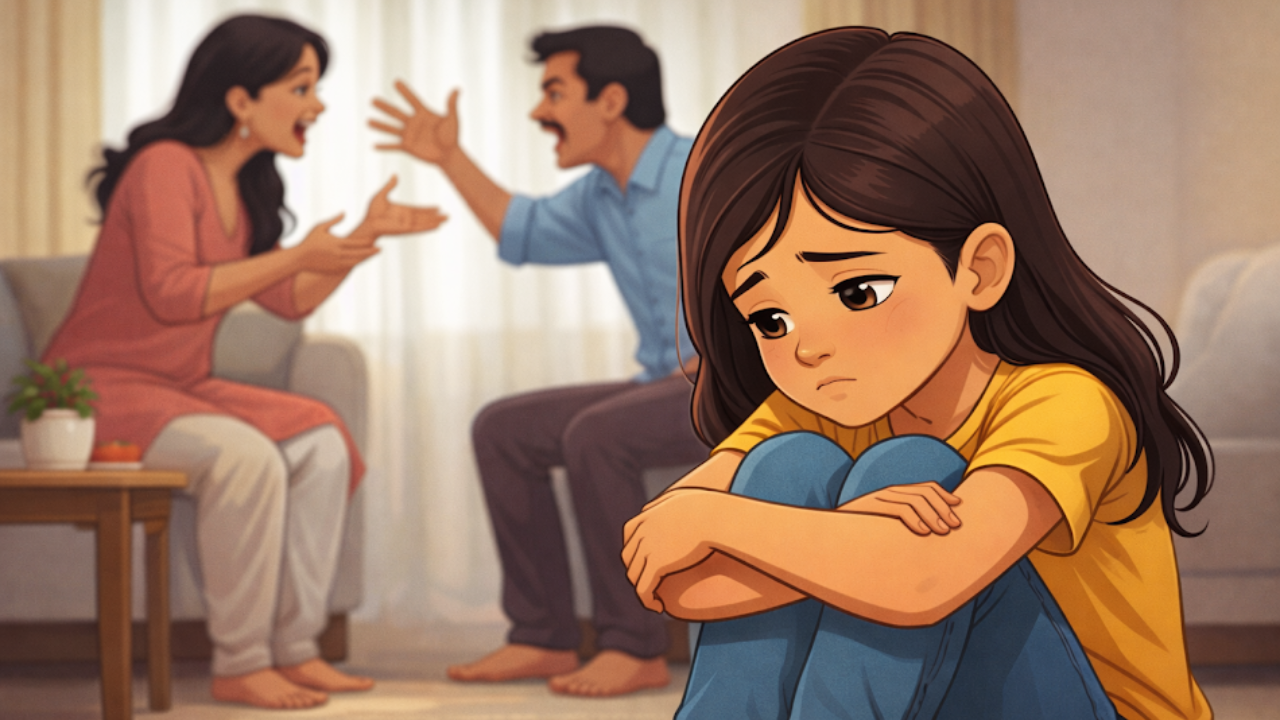
One of the most persistent myths about gamophobia is that it indicates emotional immaturity or an inability to feel deeply. This assumption could not be further from the truth.People struggling with commitment anxiety often love intensely. They can be attentive partners, emotionally available in the present and truly invested in their relationship. Pain is not in love. It lies in waiting.For some, the fear is rooted in childhood experiences. For others, it stems from witnessing marital dissatisfaction. And for many in contemporary India, it stems from the weight of making the “right” decision in a world that offers both endless choices and irreversible consequences.In that sense, gamophobia is less about rejecting love and more about the fear of a mistake that cannot be undone.A 29-year-old woman (who chose to remain anonymous) grew up watching her parents argue behind closed doors while maintaining a composed public image. Divorce was never discussed. Silence was easier than separation.“When people talk about marriage,” she says, “I don’t picture romance. I picture you being unhappy.”Children absorb more than they realize. When marriage is modeled as tolerance rather than companionship, commitment can subconsciously resemble captivity.
Why fear of commitment may be growing
The culture of choice and comparison
We live in an age where options, especially romantic ones, feel infinite. Dating apps, social media, global mobility, and curated images of the “perfect relationship” create the illusion of endless possibilities. When one believes that the next swipe might be better, a person may feel constrained rather than reassured by a commitment.It reflects deep cognitive patterns of comparison, fear of missing out, and choice overload. Instead of narrowing the options to feel comfort, it can trigger anxiety about losing potential options forever.
Individualism over collectivism
In recent decades, individualism has become central to people’s sense of self. Career goals, personal growth and self-discovery are prioritized more than ever. While it’s empowering, it also changes how the relationship is viewed. Commitment begins to feel like a trade-off — balancing autonomy with attachment. Ankur Halder says, “I believe a healthy relationship should be two independent people choosing to be together. Relationships today have evolved, unlike older generations like my grandparents, where partners were often overly dependent on each other. I appreciate that relationships now allow for more individuality.”
Witness the breakdown of relationships
We grew up surrounded by stories of failed marriages, divorces and high-profile celebrity breakups. Seeing relationships fall apart shapes our ideas about commitment — making it feel risky rather than romantic.
Trauma and attachment styles
How we bond emotionally is influenced by early life experiences. People with avoidant attachment often fear losing independence in intimate relationships. People with anxious attachment may fear abandonment, even in healthy partnerships. Someone whose initial friendship ended abruptly may struggle to fully commit to a partner, fearing that closeness will lead to inevitable loss.
Changing gender roles and expectations
Traditional roles, such as men as sole breadwinners and women as primary caregivers, have changed, but old expectations don’t disappear overnight. Women don’t want to be bound by household responsibilities, and years of social conditioning have made many feel that they have to sacrifice their dreams in order to meet the expectations of a relationship. People everywhere often find themselves balancing new possibilities with inherited norms, creating tension in romantic relationships as they navigate who does what, how decisions are made, and what each partner “should contribute.”
Gamophobia in India: Between Tradition and Modernity
In India, marriage has long been considered a central life milestone—anticipated, celebrated, and often arranged by the family. Urbanization, increased female workforce participation, and exposure to global culture have changed how young Indians think about partnerships. Emotional adjustment and personal growth are more important than ever.At the same time, bounded expectations persist:
- Marriage as a family obligation
- Pressure to settle quickly
- Fear of “what people will say”.
- Arranged wedding traditions
- Gendered expectations around roles
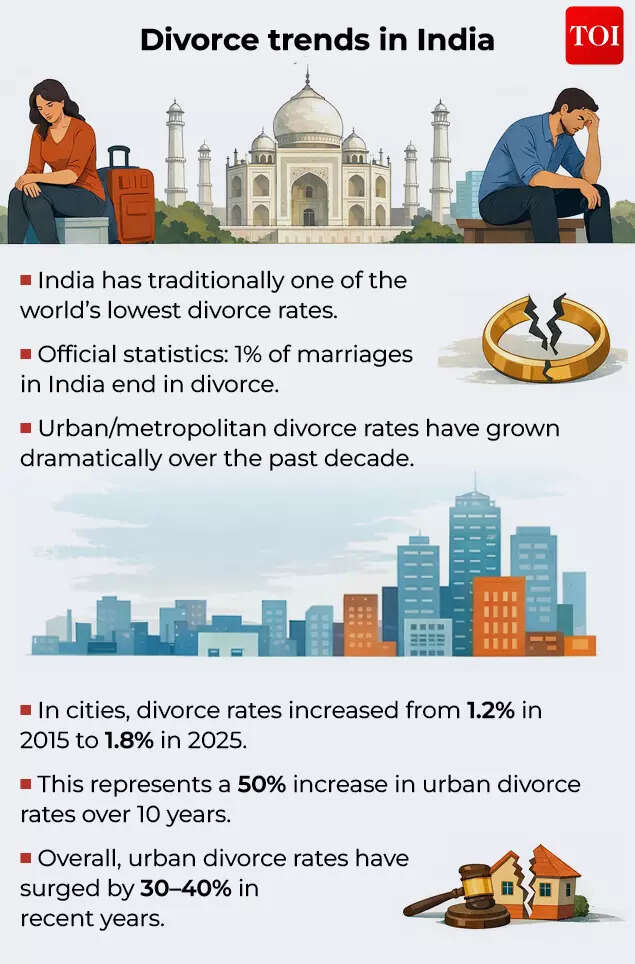
In this environment, gamophobia can take unique forms. For some, it becomes a resistance to pressure, a boundary against social coercion. For others, it reflects genuine uncertainty about whether traditional marital structures align with their evolving identities.Adding another layer of complexity, leaving a partner in India is often socially difficult. Relationships are not just between two people – they involve family expectations, social judgments and, in many cases, children. In India, many hesitate to end a relationship because they feel incomplete for fear of the stigma of separation or the impact on their children. This has created a common misconception: being unhappy is often interpreted as evidence of commitment or love, when it may instead reflect social pressure and obligation.
Intergenerational values also play a role. Many Indian families prize tolerance and sacrifice in relationships. Although admirable, these ideals may inadvertently silence emotional needs. Young adults may find themselves torn between honoring tradition and honoring their own preparedness.Mental health awareness in India is still evolving. Anxiety around commitment can be dismissed as stubbornness or irresponsibility rather than understood as emotional complexity. Without language for their fears, many individuals internalize guilt instead of seeking support.
Not all fear is pathology
It is crucial to recognize that gamophobia is not always a dysfunction. Fear can be protective, especially after a painful or turbulent relationship. It can signal the need for clarity, healing, or strong identity formation.In a society that often equates marriage with success, pausing or questioning is not necessarily evasive. It may be prudence.Challenging conventional marriage norms, Ankur said, “I have a somewhat skeptical view of marriage. While I understand that this works well for many people, most marriages I see seem complicated and full of ongoing problems. This makes me question whether the institution itself is necessary or whether commitment can exist in other forms.Gamophobia is a mirror. It reflects personal insecurities and larger cultural changes. It reminds us that commitment is not merely a social contract, but an emotional decision shaped by history, identity and context.In India and beyond, the increasing visibility of commitment anxiety does not mean that a generation is incapable of love. This suggests that people are thinking more deeply about what love needs.And perhaps, in asking these hard questions, we are not walking away from commitment but learning to approach it with more awareness.Love, after all, is not weakened by reflection.It is reinforced by choice.