India-US trade deal: Congress accepts Amit Shah’s debate challenge, flags US maize & cotton imports as blow to farmers | India News
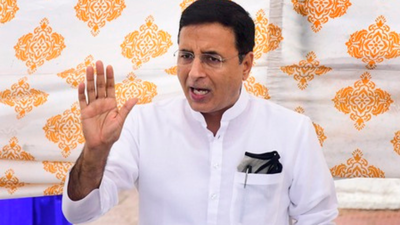
New Delhi: Ignoring the nationwide agitation against the India-US trade deal and accepting Home Minister Amit Shah’s challenge for a debate, the Congress said the production of sorghum, maize, soybean and cotton in the US is so high that their import will completely overwhelm India’s farmers.AICC spokesperson and MP Randeep Surjewala told a press conference that India produces 43 million metric tons of maize annually while the US produces 425 million metric tons; India’s annual sorghum production of 5.2 million metric tons is less than the US’s 8.7 million metric tons; And India produces 15.3 million tons of soybeans compared to 120 million tons in the United States.Surjewala said that the US is looking for a market for the large production of these crops which the Modi government has agreed to import including DDG (processed maize), soya oil and red sorghum. “What will the farmers of Central India, North India, West India and some southern states do when these imports come at reduced or zero duty,” he asked.He called the deal a “one-sided and unequal deal” that undermines India’s sovereignty and domestic economic priorities.On the challenge thrown by Home Minister Shah on the trade deal, Surjewala said Congress president Mallikarjun Kharg has nominated him to debate the trade deal with the minister and the BJP and requested the ruling party to fix the time and place.The Congress MP said cotton posed an equally serious challenge after Commerce Minister Piyush Goyal’s comments that India would get Bangladesh-like zero-tariff access to textiles in the US in return for cotton imports. India has surplus cotton production which it exports to Bangladesh and also to meet its domestic demand, Surjewala said, adding cotton imports from the US would hurt cotton farmers in Maharashtra, Gujarat, MP, Rajasthan, Haryana, Punjab, Andhra Pradesh, Karnataka and Telangana. Additionally, he said, Bangladesh, which buys 50% of its cotton needs from India, will now stop those imports and procure cotton from the US. “It’s called a double hammy,” he remarked.He said the promise to remove “non-tariff barriers” meant India could allow imports of GM agricultural products and weaken procurement and subsidies for farmers.