

5 बार फेल हो चुकी है अल-नीनो की भविष्यवाणी? अब इस सीजन क्या करेगा मॉनसून – El Nino failure India effect on monsoon

India received normal or above normal rainfall in at least 5 of the 17 major El Nino events in the last seven decades. All El Niños since 1980 were predicted to cause drought, but not every El Niño brought drought.
The south-west monsoon in India is the basis of the country’s economy and agriculture. every year when pacific ocean When an El Nino situation occurs, meteorologists become worried. El Nino is usually associated with weak monsoons and drought. But many times this prediction has proved to be completely wrong. Scientists predicted huge changes, but in reality something opposite happened.
El Nino It occurs due to the heat spread over the tropical region of the Pacific Ocean. That means the water in the central and eastern parts of the Pacific Ocean becomes unusually warm. In India it usually weakens the monsoon winds, thereby reducing rainfall.
According to historical data, 60% of the El Nino years between 1951 and 2022 received below average rainfall. In records dating back to 1871, severe droughts have always been associated with El Niño. But many strong El Nino years also saw normal or excess rainfall in India. These are cases of ‘failure’ of El Nino.

1997–98: Strongest El Nino, but normal rains in India
The most powerful El Nino of the 20th century occurred in 1997–98. It was devastating on a global scale – drought, floods and record heat. in india Season The department and scientists had expressed fear of severe drought. But monsoon rains in India were more than average. There was no major drought.
This year became the biggest example of El Nino ‘failing’. The reason was Positive Indian Ocean Dipole (IOD) i.e. when western Indian Ocean The eastern part is hot and the eastern part is cold, so it reduces the negative impact of El Nino. In 1997, a strong positive IOD strengthened the monsoon winds and brought good rainfall over India.
Also read: Nautapa from 25th May to 2nd June this year, know why there is terrible heat at this time
There was El Nino in 1983 also, but the rainfall in India was more than the average by 12%. In 1994, despite El Nino, excess rainfall was recorded. There was a weak El Nino in 2006, yet the monsoon was normal.
There was a weak El Nino in 2002, but there was drought. In 2009 too, a weak El Nino caused severe drought. Rainfall was only 78%. This shows that not only power but other factors also matter.
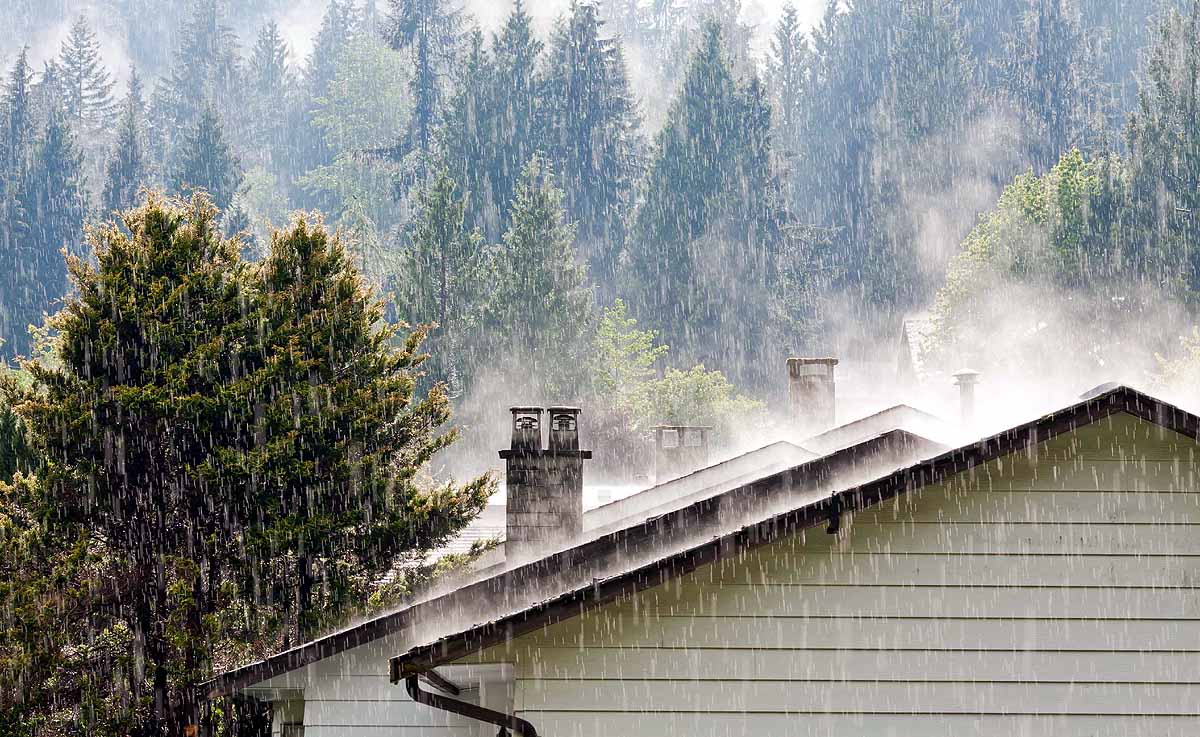
Scientific reason: Why does El Nino fail?
According to KK Kumar and other research papers published in the Science Journal in 2006, this is the reason for the failure of El Nino…
Central Pacific vs Eastern Pacific: When the heat is high in the central Pacific (El Nino Modoki), the downflow over India is stronger, causing drought. But when the heat is concentrated in the eastern Pacific (classical El Nino), the impact is smaller. 1997-98 was Eastern Pacific type, hence less impact.
Shift of Walker Circulation: El Nino changes the normal circulation. The pattern of rising air in the east and sinking air in the west increases the low pressure over India, due to which clouds are not able to form. But when this shift is towards south-east, the impact on India is less.
Also read: India’s Bhargavastra… will release 64 mini rockets in 10 seconds, swarm attacks will fail
Indian Ocean Dipole (IOD): Positive IOD counters El Nino. It increases monsoon moisture by warming the western Indian Ocean. This is what happened in 1997.
Eurasian warming: Eurasia after 1980 (Europe The surface temperature over Asia) has increased. This increases the land-sea temperature difference, which strengthens the monsoon. Weakens the effect of El Nino.
Impact of climate change: The ENSO-monsoon relationship has weakened in recent decades. Climate conditions are changing due to global warming, due to which old predictions are often proving wrong.
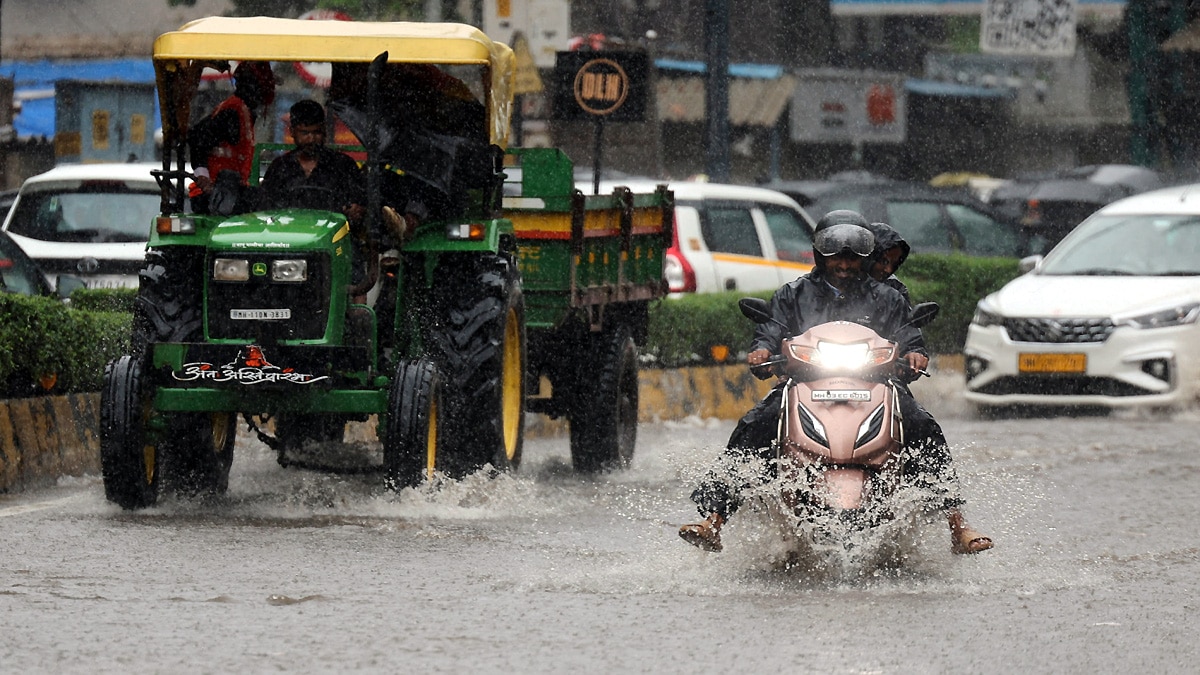
What do research and facts say?
Kumar et al. (2006) study: The 132-year record showed that all severe droughts were associated with El Niño, but not all El Niños brought drought. Central Pacific warming more dangerous.
The ENSO-monsoon relationship changed after 1980. Some studies found that the relationship became stronger in North India, while weaker in Central India. Strong El Niños have caused droughts in recent years (such as 2015), but counter examples such as 1997 also exist.
Nowadays scientists look at not only El Nino but also many factors like IOD, condition of different parts of the Pacific Ocean, heat of the Indian Ocean and global warming. IMD and international agencies now use multi-factor models.
Cases of El Nino ‘failure’ remind us that the weather system is extremely complex. One event can counter another. Years like 1997-98, 1983, 1994 proved that predictions can go wrong.
El Nino is not always an enemy for India. Many times, when the whole world fears drought, good rainfall still occurs. Scientists are now better understanding how important factors such as SST patterns, IOD and regional warming are.
Farmers, policy makers and common people should no longer depend only on El Nino. Multi-domain forecast and preparations to save water are more important. Nature gives us a new challenge and a new lesson every time.
—- End —-